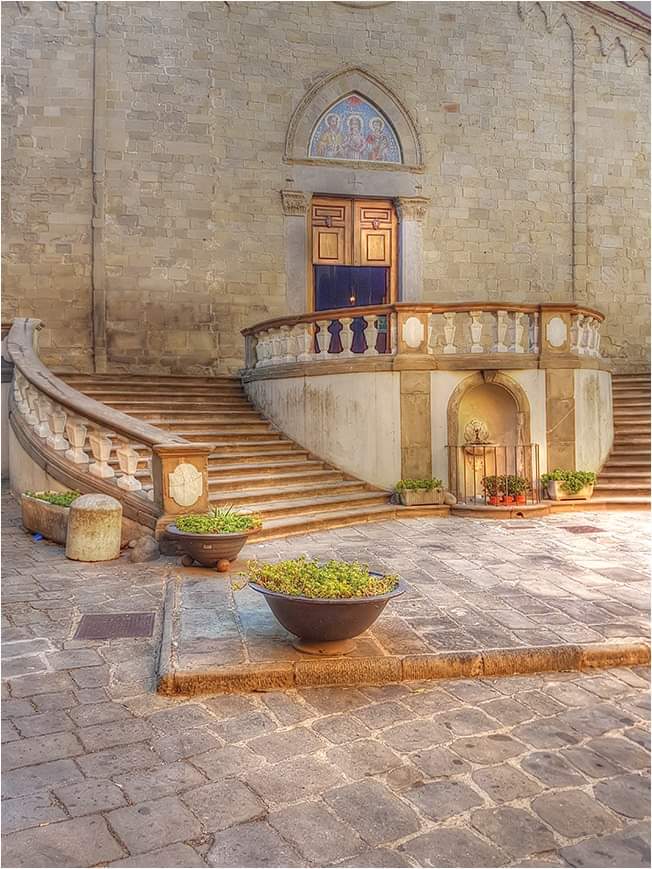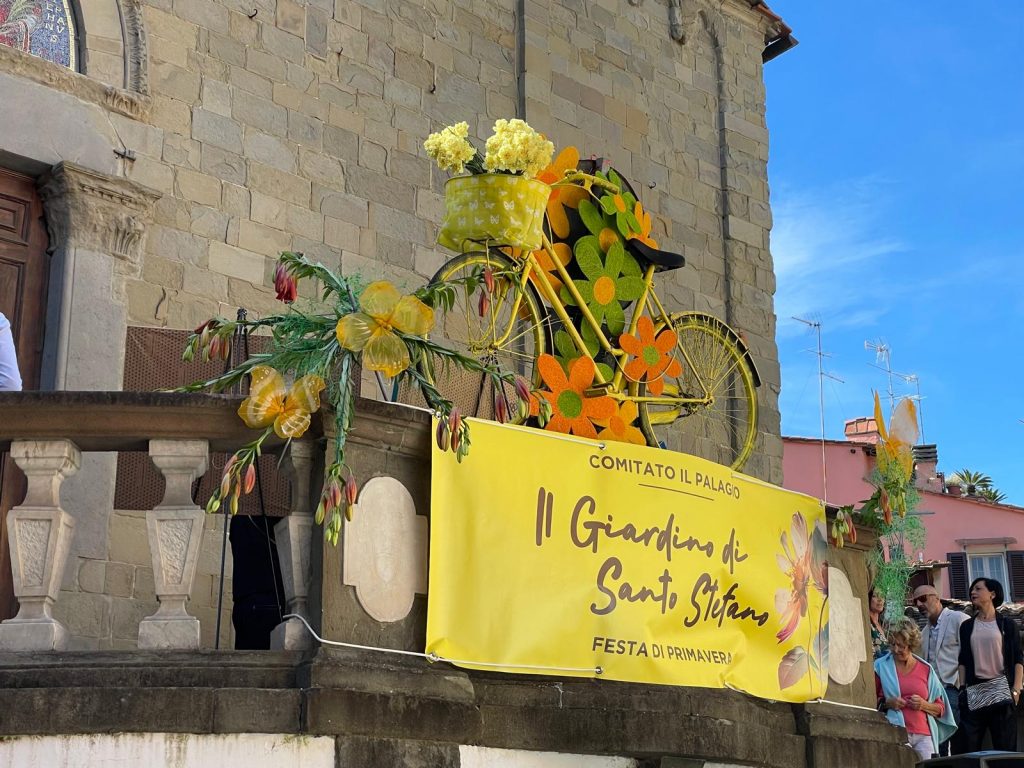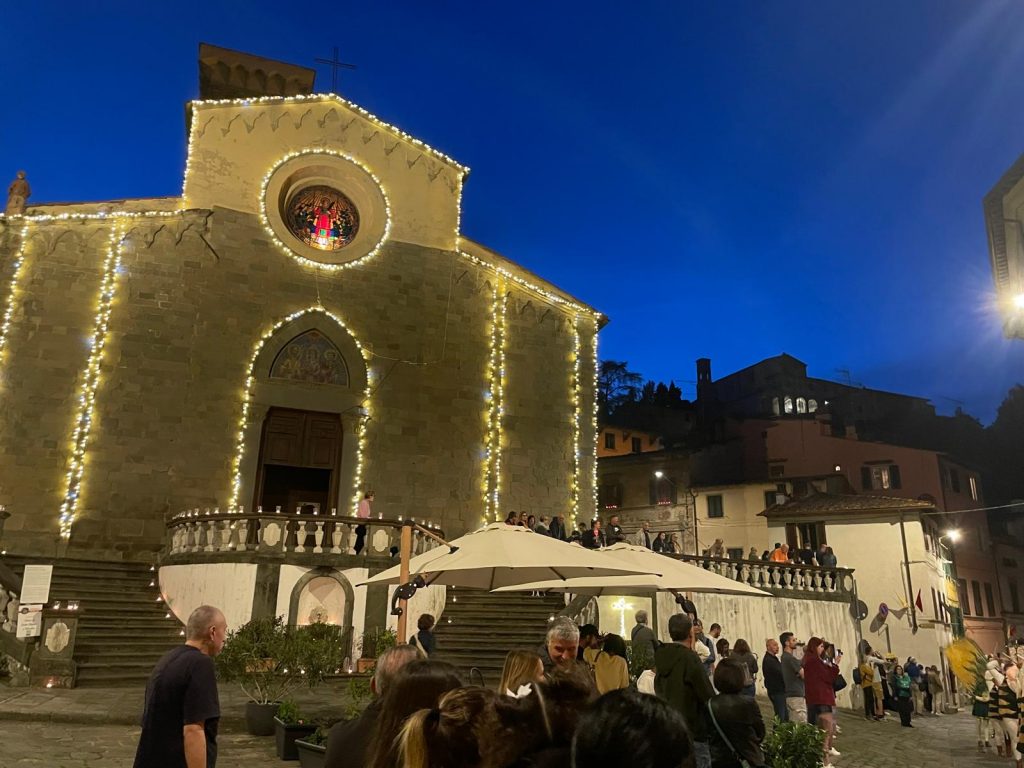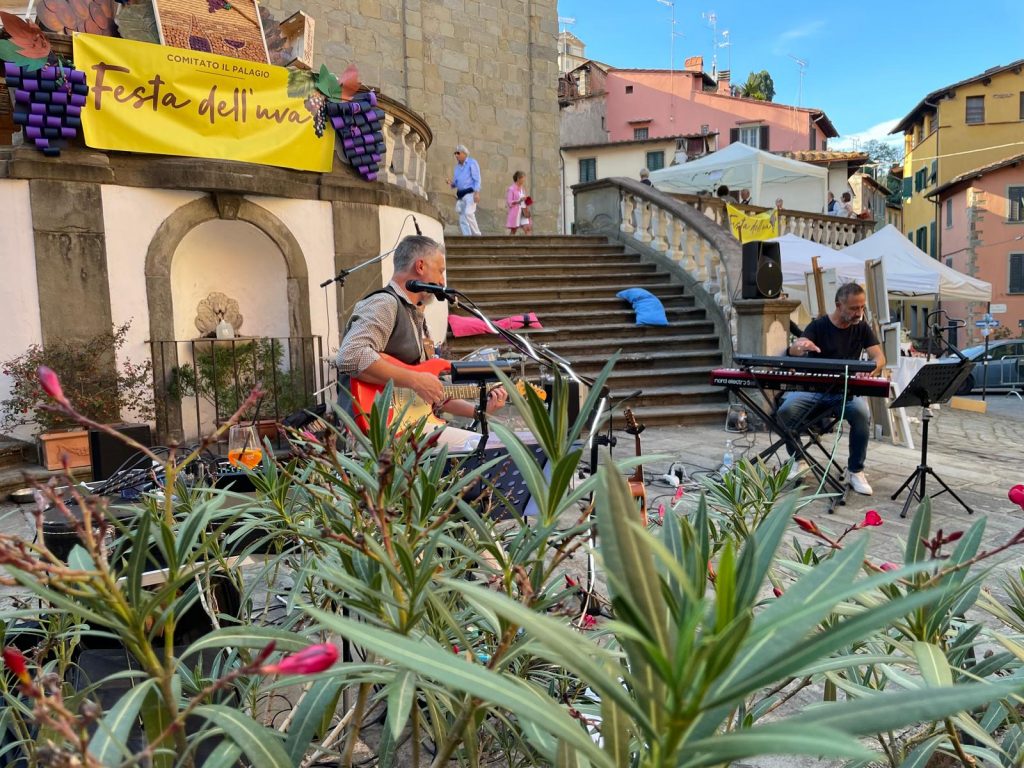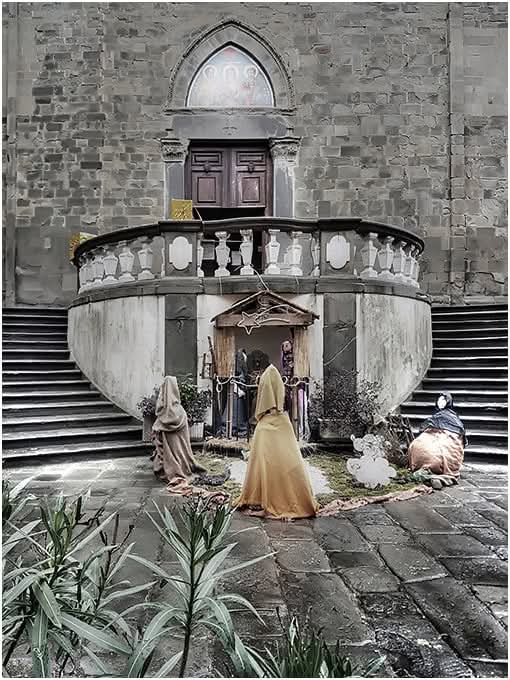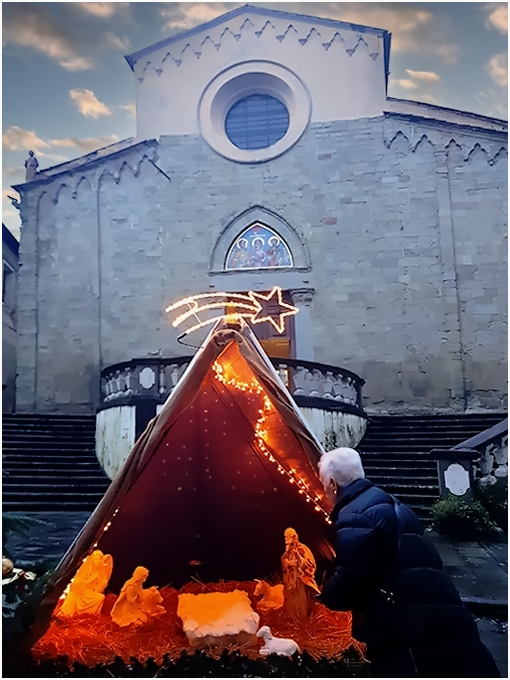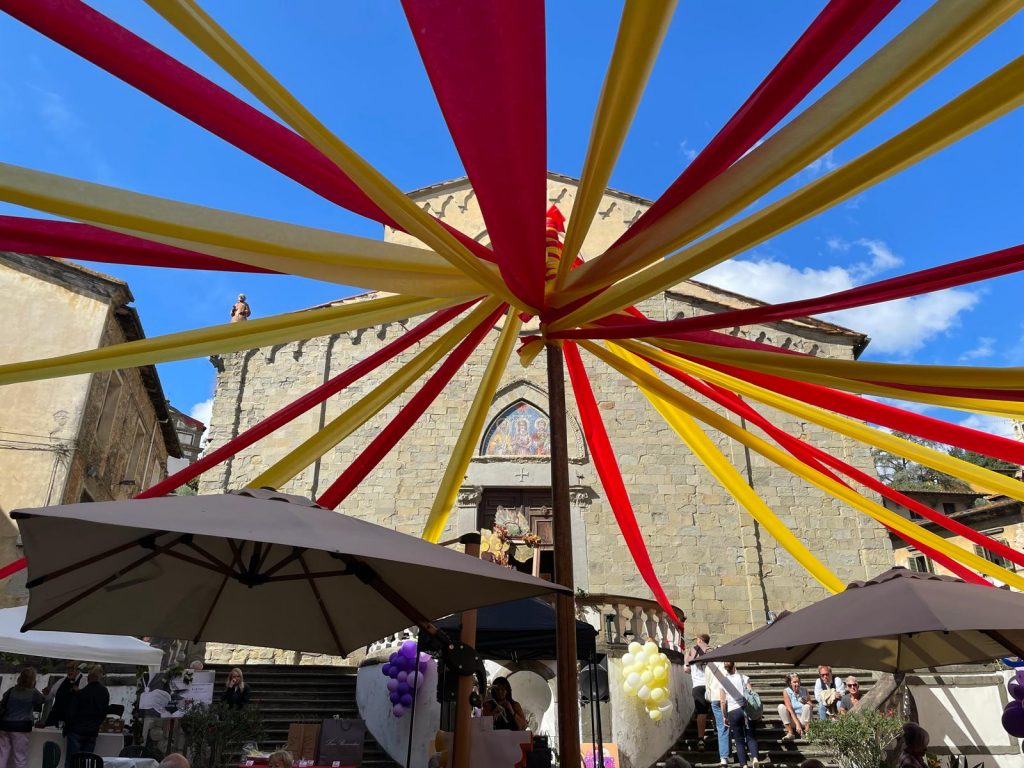


The Collegiate Church of Saints Stefano and Niccolao, an ancient place of worship in the historic center of Pescia, represents an important historical and cultural heritage
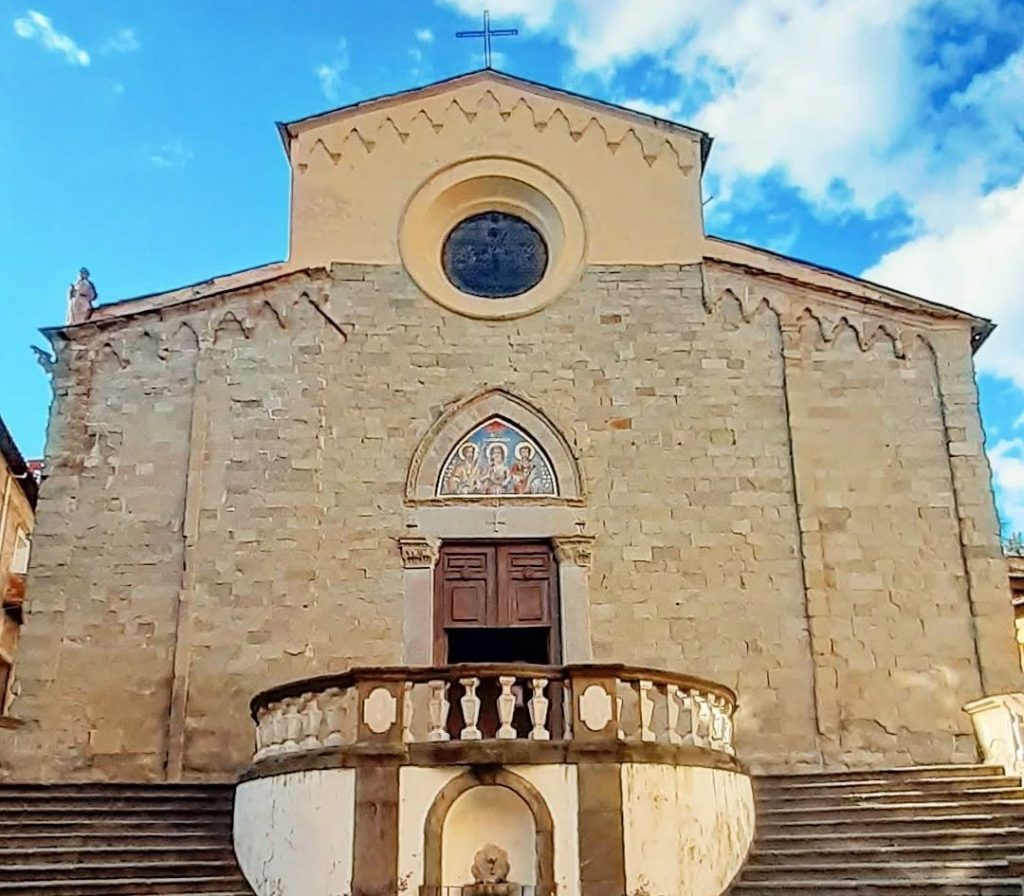
La Chiesa Collegiata dei santi Stefano e Niccolao, commonly known as the church of Santo Stefano, is one of the oldest and most significant places of worship in Pescia. it is a symbol of the religious history of Pescia and attracts numerous visitors every year.
The chiesa collegiata dei santi Stefano e Niccolao continues to be an important point of reference for the local community. It has very ancient origins and is the second in dignity of the entire Diocese of Pescia. There is news of a church dedicated to the protomartyr Stephen for the first time in 1045, however some research leads us to suppose that the ecclesiastical architecture was much older and perhaps aggregated to the Domus Regia, i.e. the political-administrative curia of the land of Pescia.
The current architectural layout follows the ancient layout; the apse of the ancient medieval church stood where the entrance is today and therefore the facade (facing west) was next to the bell tower. The interior has three naves with three quadrangular apses at the end. In 1519, when the Church of Pescia was elevated to the rank of Diocese, this building was enlarged and transformed thanks to the intervention of important local families such as the Pagni, the Buonvicini, the Forti, the Sandri, the Cecchini.
Stone altars were therefore erected and masterpieces were commissioned to enrich the interiors: first of all the wooden group formed by the announcing Angel and the announced Virgin, both from the late fourteenth century near the Valdambrino school. On the altar of the Sandri family there is the canvas of the Visitation by Agostino Ciampelli from 1594.
From the early 17th century is the exquisite Liberation of Saint Peter from Prison by the Bolognese artist Alessandro Tiarini. On the left wall of the choir, there is a tempera on panel with a gold background from the second half of the 15th century, depicting the Madonna and Child with Angels. On the right wall, attributable to the 16th century, is a Madonna and Child with Saint John the Baptist and Saint Augustine.
In the chapel of the SS Sacramento, the canvas of Tobias stands on the altar, restoring the sight of Alessandro Bardelli's father, dating back to the first thirty years of the seventeenth century. Also important is the wooden crucifix from the school of Andrea Pisano from the 14th century. In the second altar on the left (of the Buonvicini family) the canvas representing the Conversion of Saint Paul by Aurelio Lomi from the last years of the sixteenth century is preserved.
A large panel stands out in the center of the choir and represents the Madonna and the patron saints of Pescia, namely Abdon and Sennen, S.Policronio and S.Dorotea who look lovingly at what appears at their feet. The painting is by Ercole Bazzicaluva. At the top is an oval in which SS Stefano and Niccolao are depicted. On the right wall of the choir there is a painting attributed to Santi di Tito, while on the left there is a panel depicting the Madonna with angels, known as the Epiphany, dating back to the 16th century. XV.
Looking from the presbytery toward the entrance, the facade's rose window stands out, brightly depicting St. Stephen looking at the open skies. The canons' sacristy displays important 17th-century canvases and benches.
Also in this Collegiate Church of Saints Stefano and Niccolao there was the ancient confraternity of Misericordia, an institution founded in 1506 which owned many works of art including the extraordinary panel representing the Madonna della Misericordia with women in prayer,
-
Curated by the Association "Quelli con Pescia nel Cuore"