

Aramo, a charming village in the "Ten Castles" of the Pescia Hills (Svizzera Pesciatina).
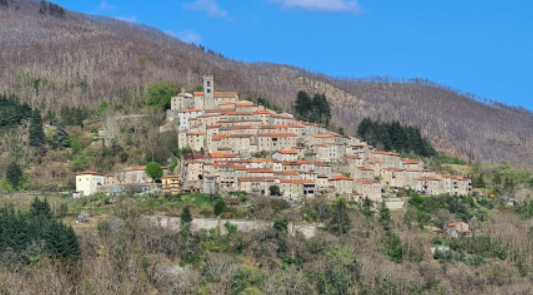
It is situated 387 meters above sea level. In 1383, the village of Aramo was almost completely destroyed during a battle between Lucca and Florence, leaving only 10 inhabitants. Traces of the ancient city walls and several underground tunnels—used by residents in the past to escape the village during sieges—are still visible today. The ancient houses are perched directly on the cliff edge, overlooking the river valley. Pescia. In 1830 it had 215 inhabitants, while today there are only 80. The production of olive oil, honey, and mushroom picking are highly developed among the locals.
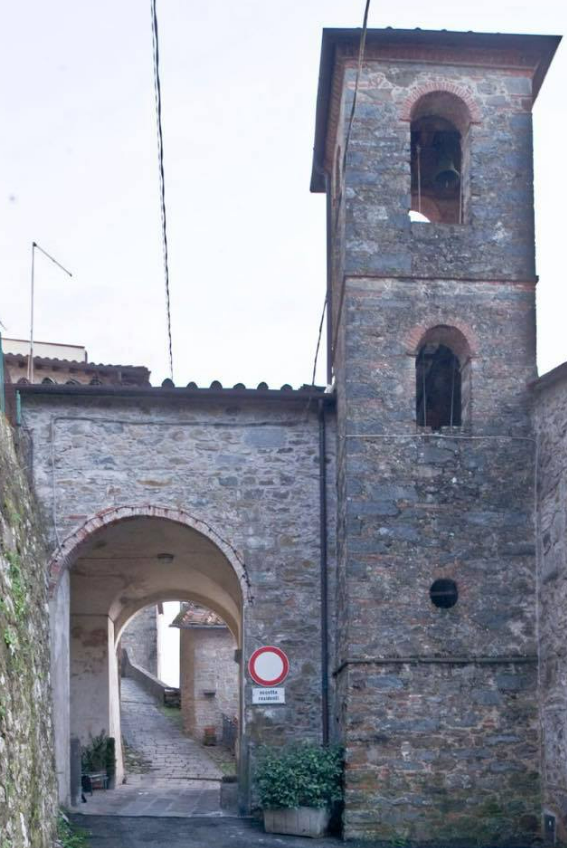
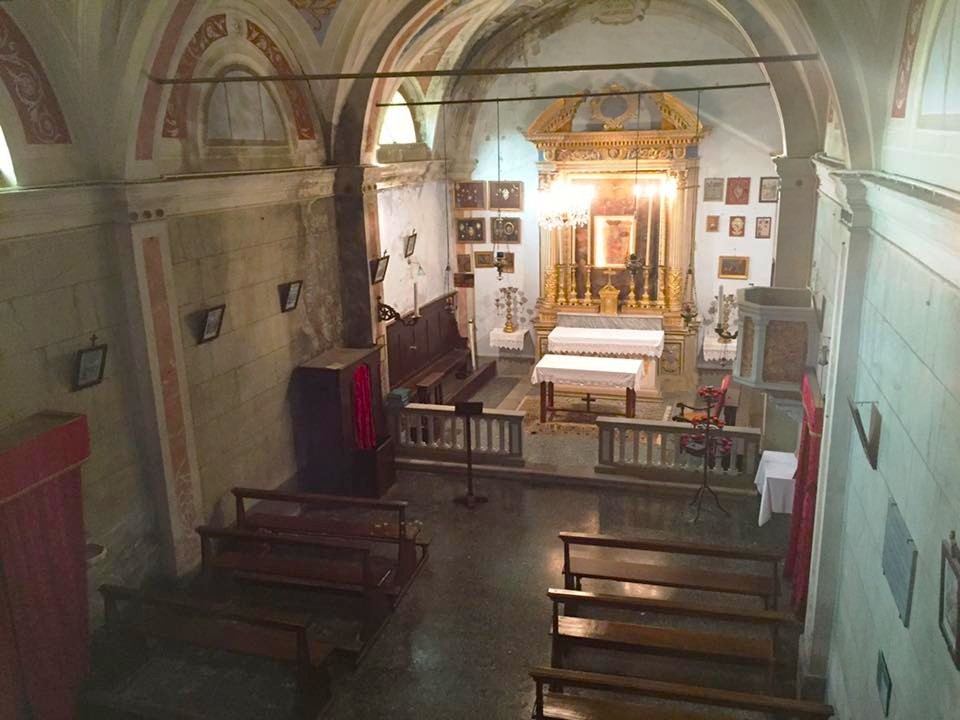
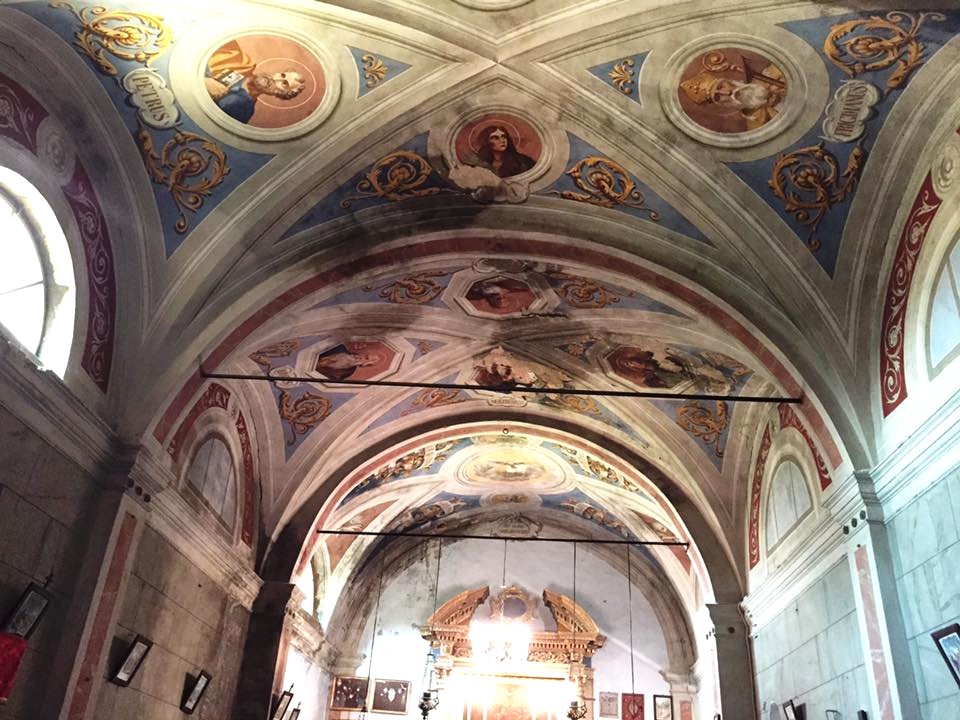
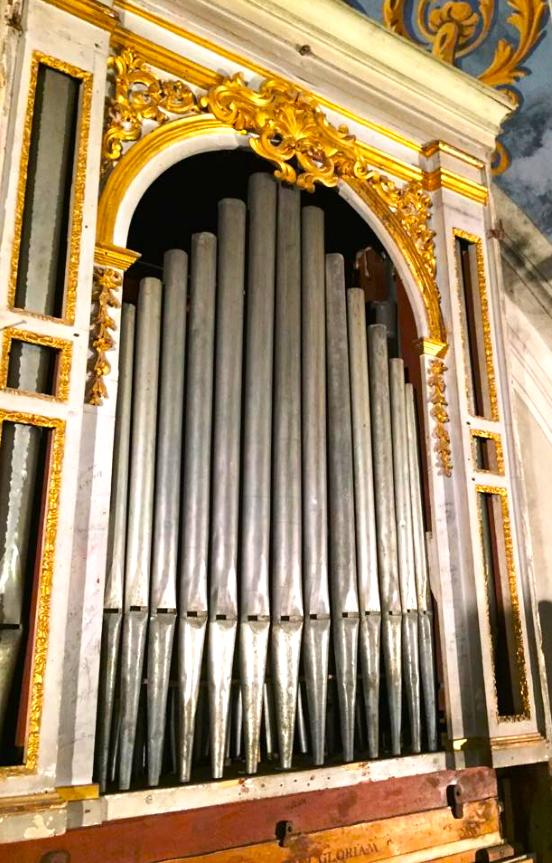
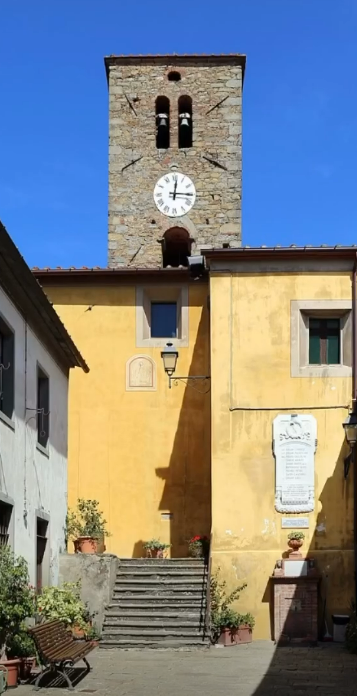
Must-see in Aramo:: the Church of San Frediano is located at the highest point of the village. Founded before 762, it was dedicated to the co-patron saint of Lucca (Frediano, who famously diverted the waters of the Serchio river). The church once housed a hospice for pilgrims traveling along the Via Publica toward the Val di Lima. The bell tower dates back to 1601. It features a single nave, and the 25-pipe organ was built in 1841.
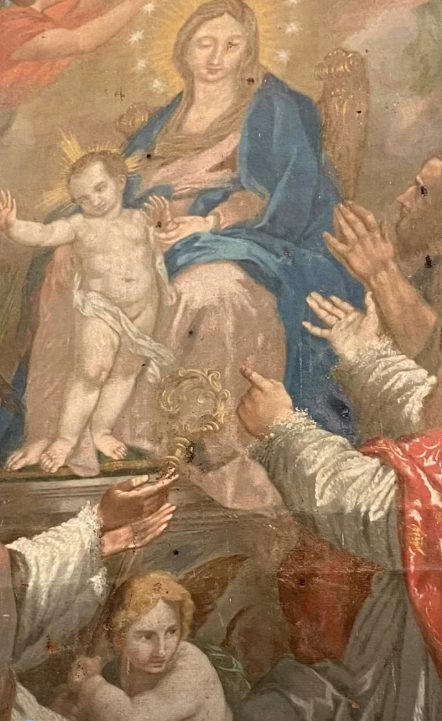
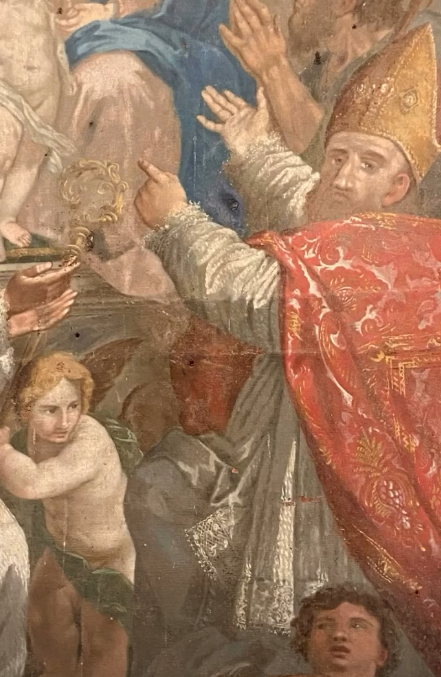
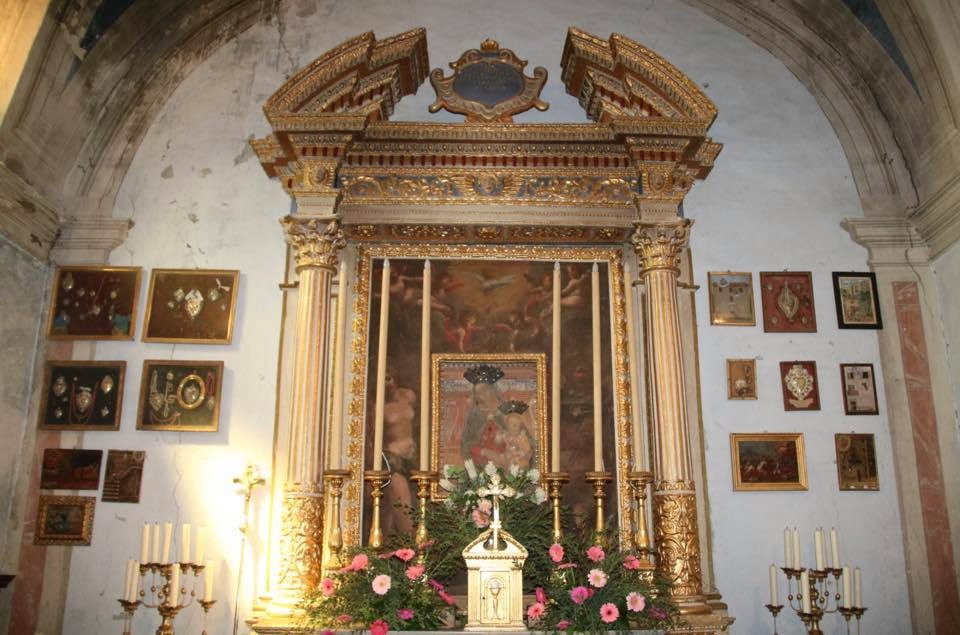
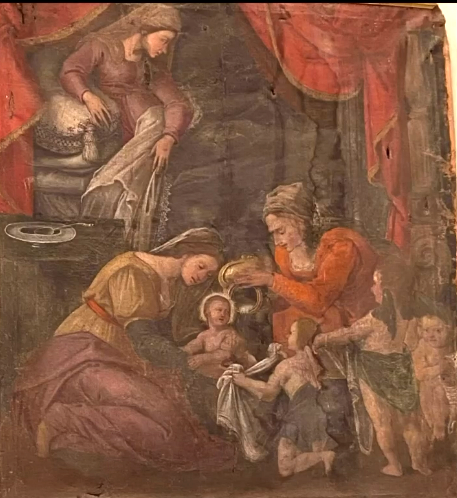
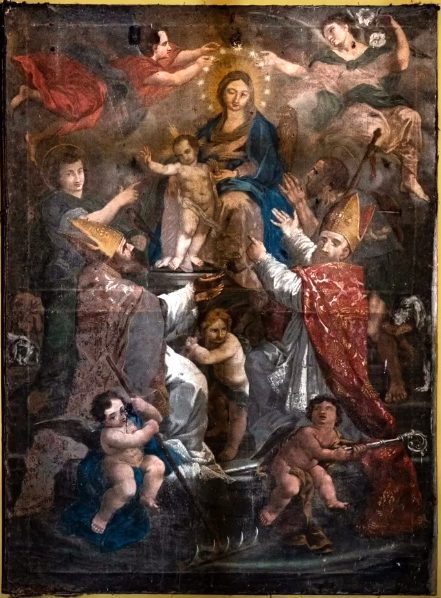
Numerous paintings can be found inside: above the high altar is the 18th-century canvas Madonna and Child in Glory with Saints, whose attribution is uncertain between Alberico Carlini from Vellano and Innocenzo Ansaldi from Pescia. On the sides are 15 panels depicting the life of Christ and the Virgin Mary; the 17th-century panel Baptism of Christ; the canvas Nativity of the Virgin, dating to the second half of the 16th century; and Saint Gregory the Great, from the 17th century.
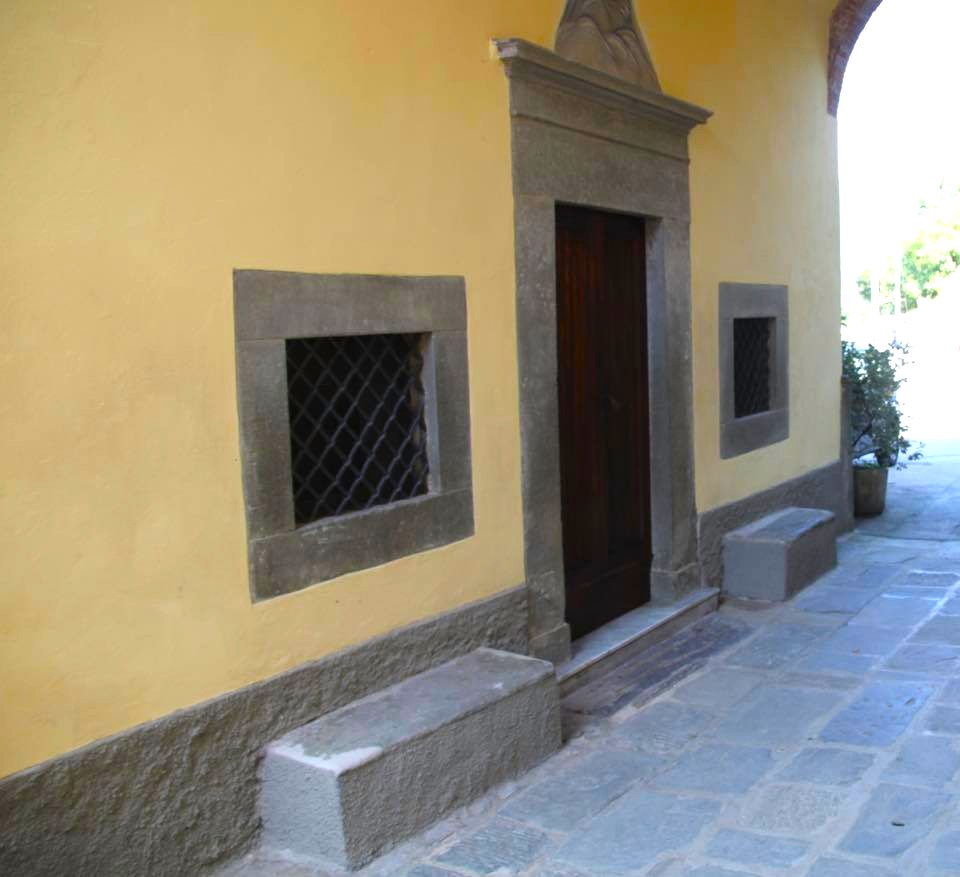
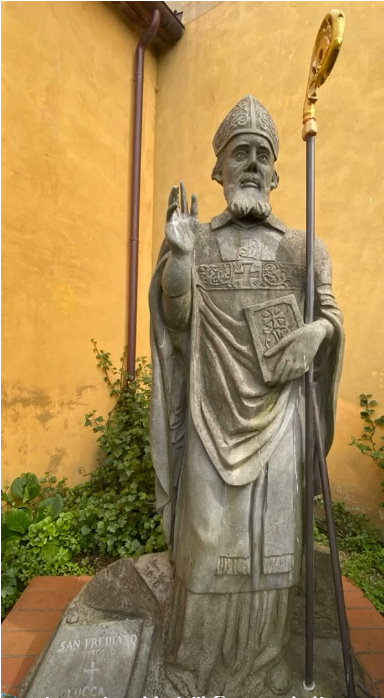
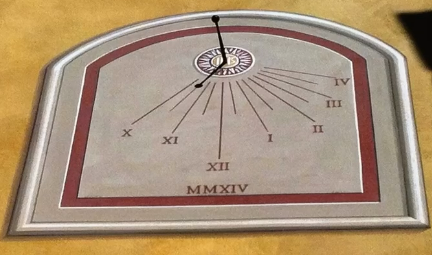
The church also houses a 19th-century wooden statue of Saint Frediano, crafted by the Purger Workshop of Ortisei. Outside, you can find the statue of Saint Frediano by sculptor Silvio Viola, as well as the sundial on the church’s southern facade. The Church of San Frediano features a single nave and contains sacred furnishings mostly from the 17th and 18th centuries. Also worth a visit is the beautiful Oratory of the Nativity of Mary; inside, above the altar, is a precious 15th-century wall-mounted tempera painting depicting the Madonna Enthroned.
( cit. Alessandro Birindelli)