


LIVE NATIVITY in Pescia
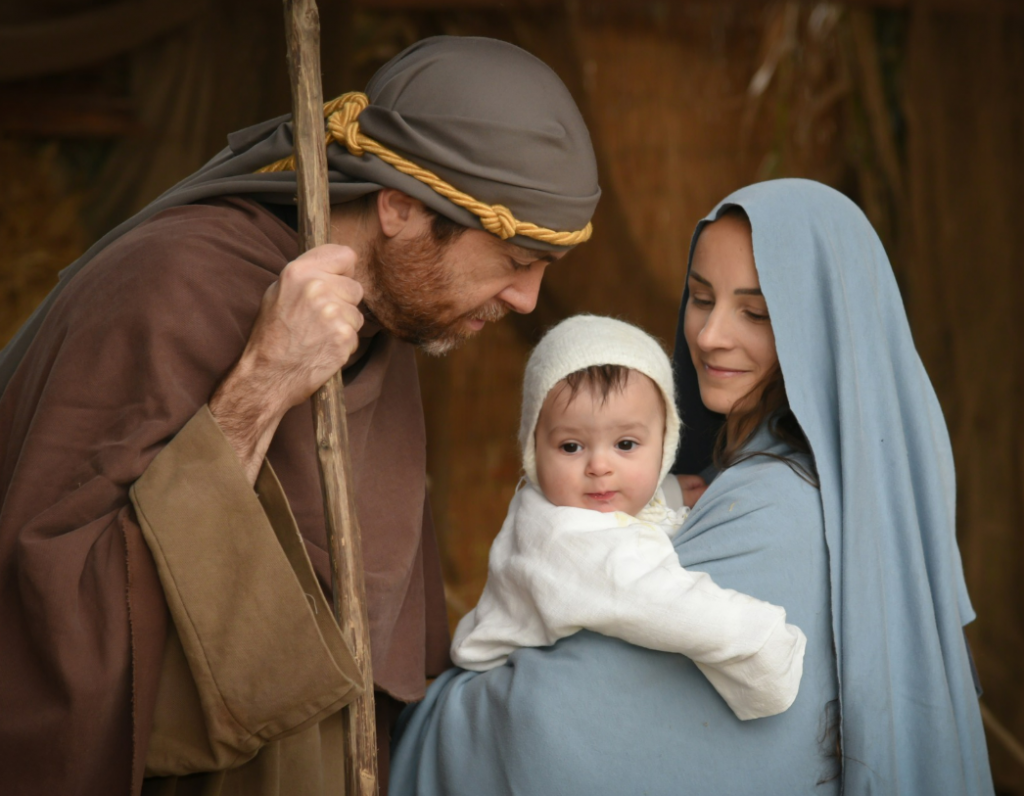
The Living Nativity Scene in Pescia, in the panorama of historical re-enactments in Central Italy, has consolidated itself as one of the most relevant and popular cultural events of the Tuscan winter season. Born in 2006 on the initiative of the Cultural Association "L'Officina delle Arti", the event has undergone an important structural evolution. The first edition, held experimentally in the central Piazza del Grano, proposed the classic temporal setting of "Year Zero". Subsequently, to enhance the medieval architecture of the historic center, the promoters moved the timeline to the 13th century. The cultural reference point thus became the first nativity scene of Christianity, created by Saint Francis of Assisi in Greccio in 1223.
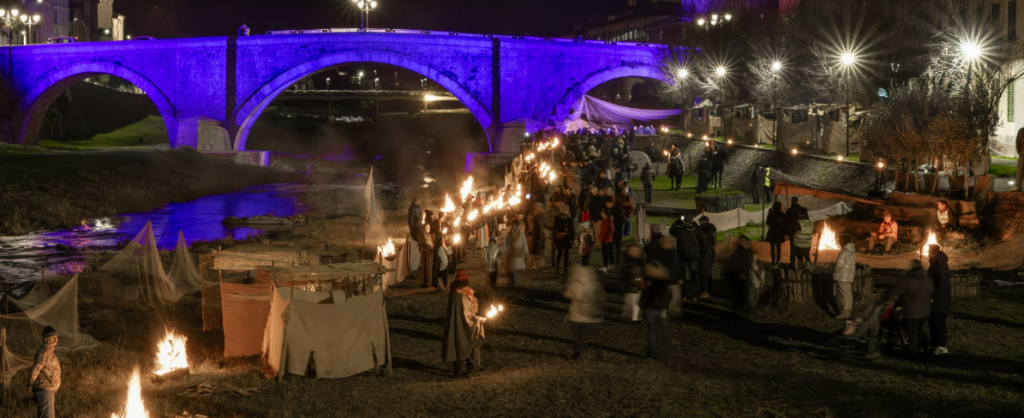
The real logistical and image turning point coincided with the transfer of the event to the urban river park, along the banks of the Pescia river. This strategic location has allowed it to accommodate an ever-increasing flow of tourists and to integrate suggestive natural scenery with real faunal elements. Today the event enjoys the stable patronage of the Municipality of Pescia, the Tuscany Region and the local Diocese, establishing itself as a fundamental driver for tourism and the valorisation of the territory.
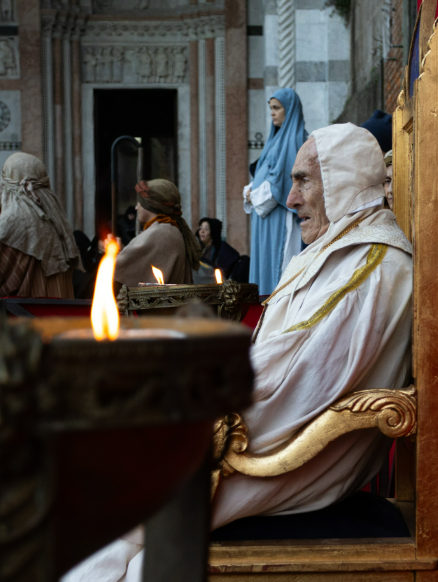
A 1.5 kilometer long journey between history and social stratification. The event develops along a linear route of approximately 1.5 kilometers which involves both banks of the river, extending from the Europa Bridge to the Duomo Bridge. The historical reconstruction is divided into sectors that faithfully replicate the medieval social pyramid, designed to offer visitors an immersive journey.
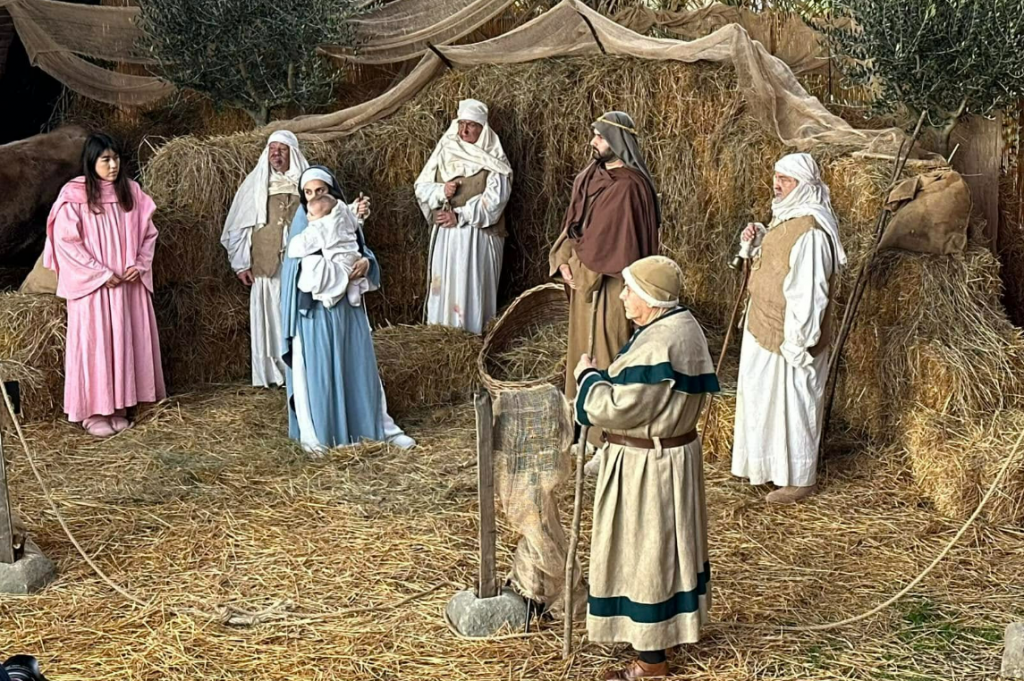
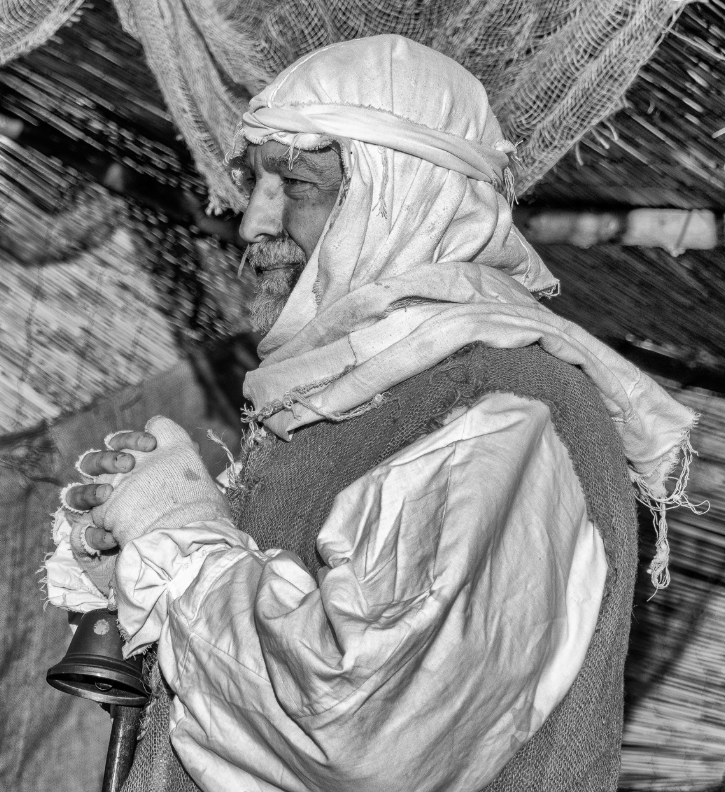
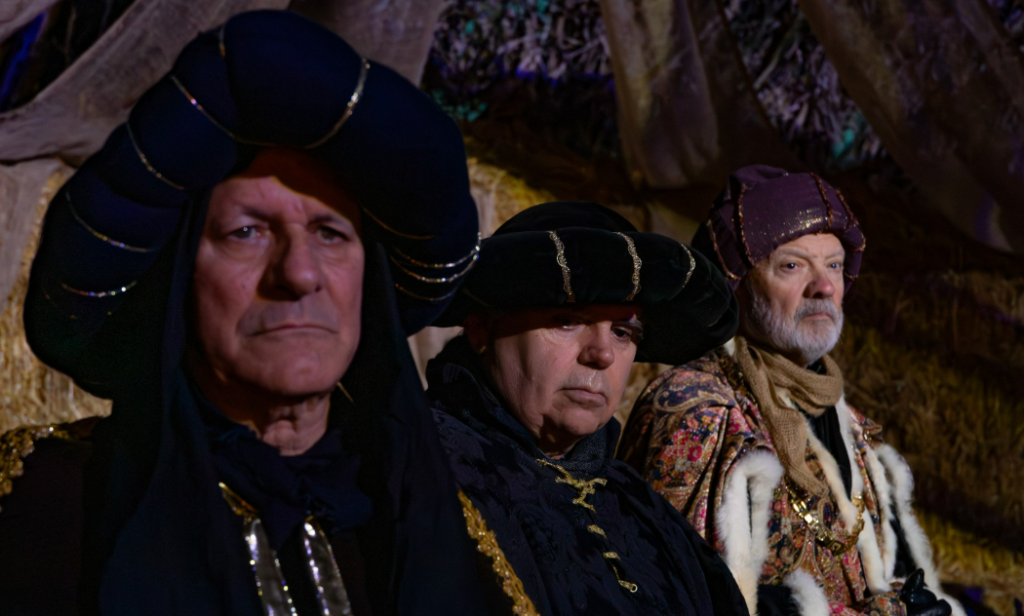
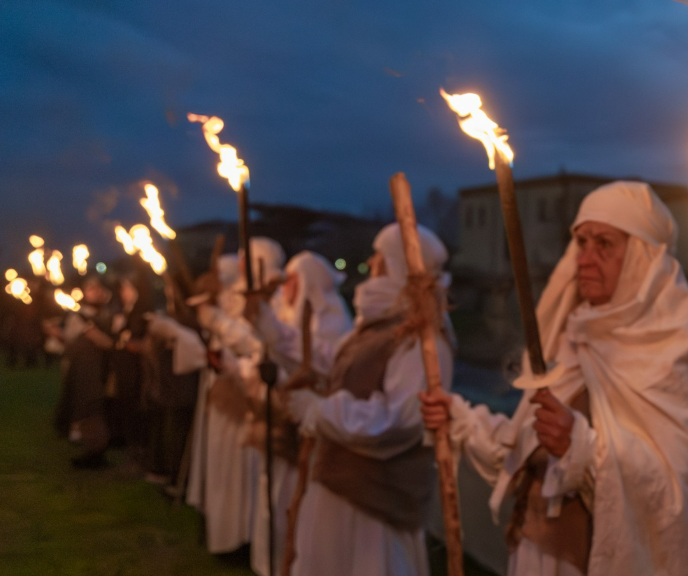
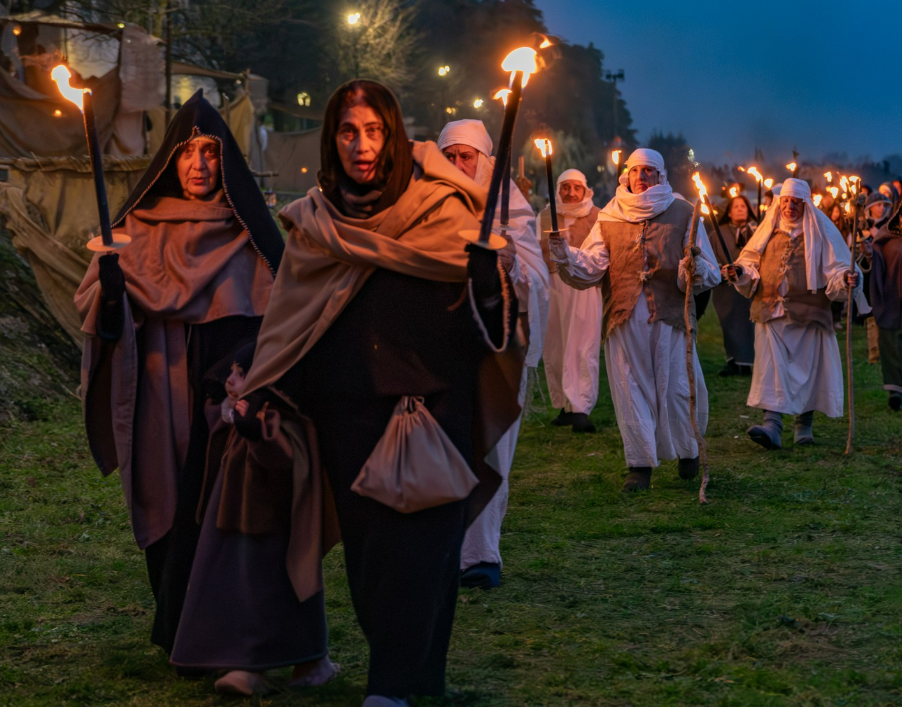
The itinerary starts from the upper sector, dedicated to nobility and commerce. Here a large medieval market is set up with educational stalls focusing on ancient crafts and tasting stations offering dishes prepared according to the original recipe books of the time. Continuing along the embankment, you pass through the crafts and sheep farming section, animated by over 200 costumed figures and enriched by the presence of live animals. The journey ends in the area of social marginality, where the representation of beggars and sick people prepares the audience for the final scene.
The Scenic Direction and the Visual Impact of the Nativity
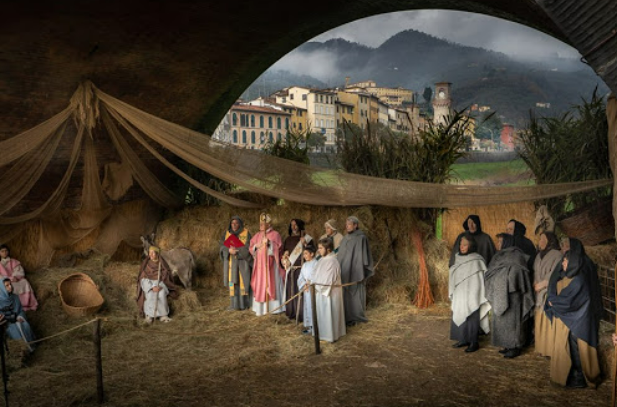
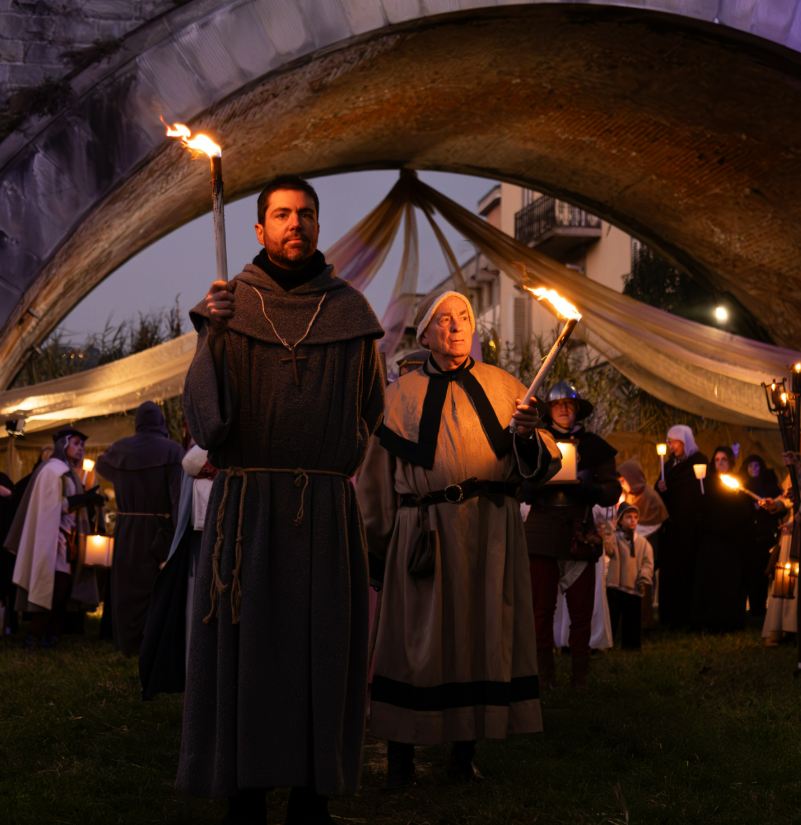
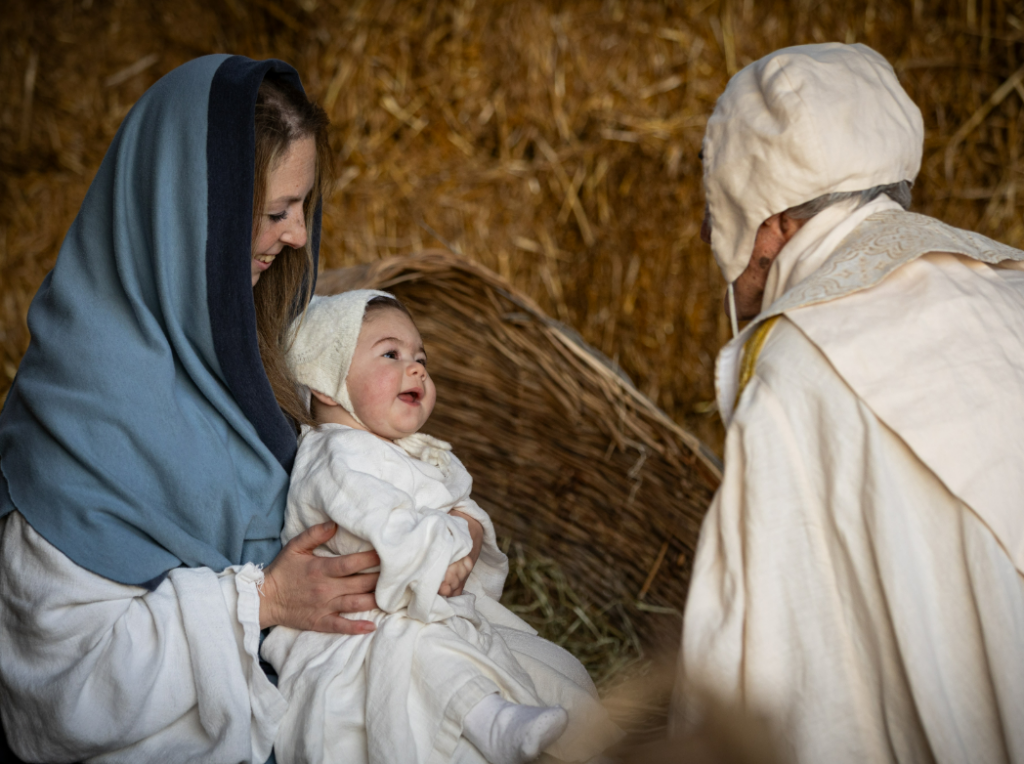
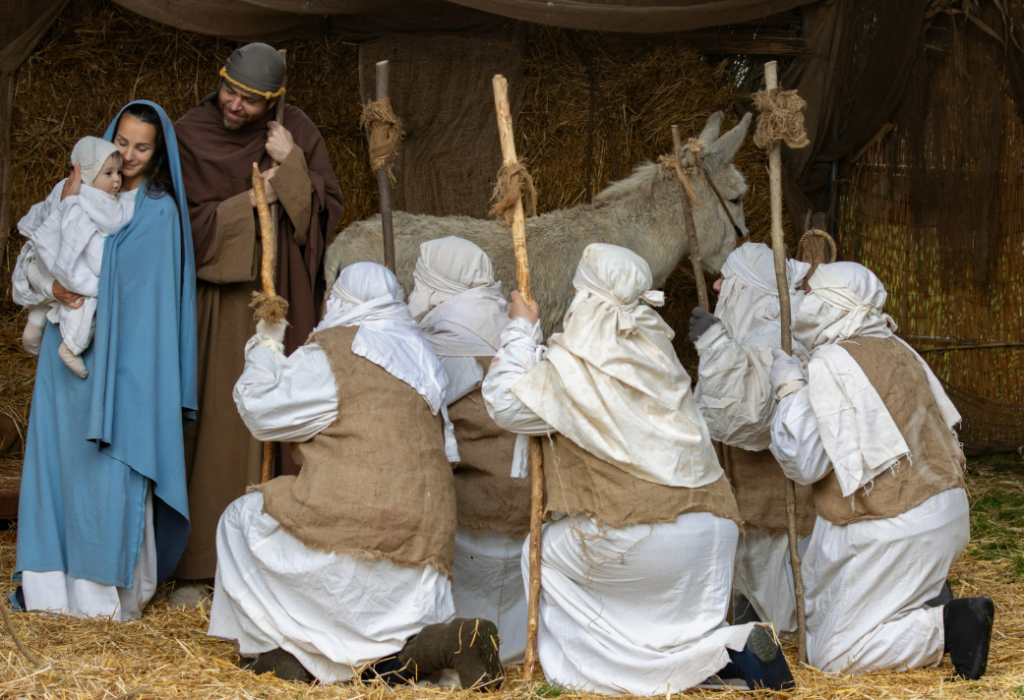
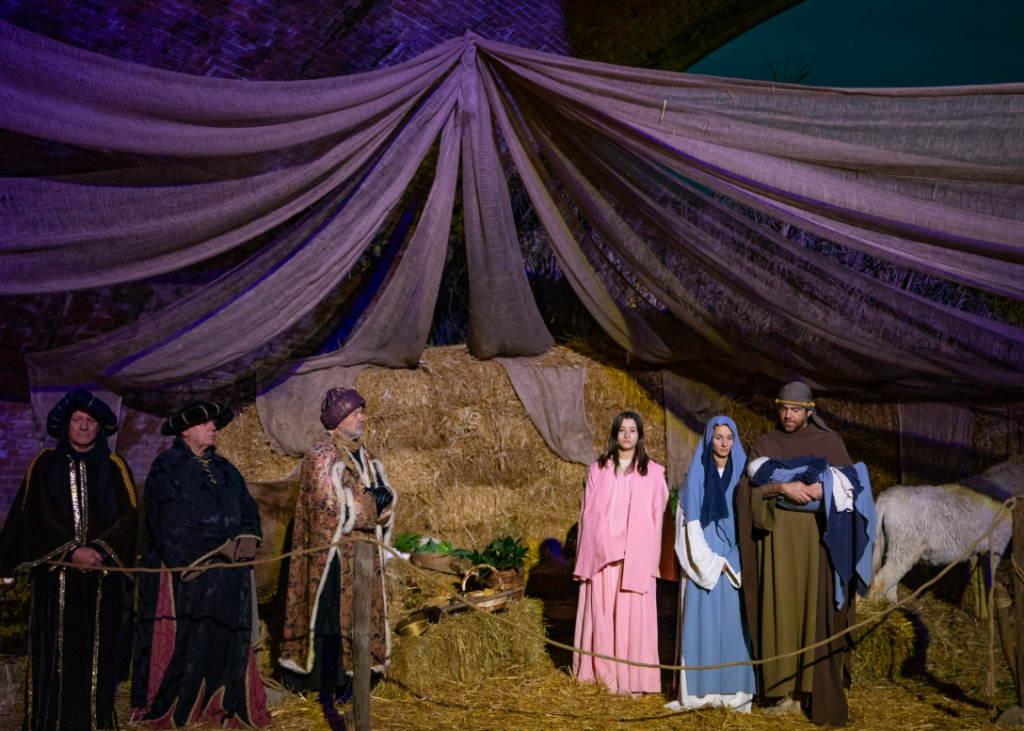
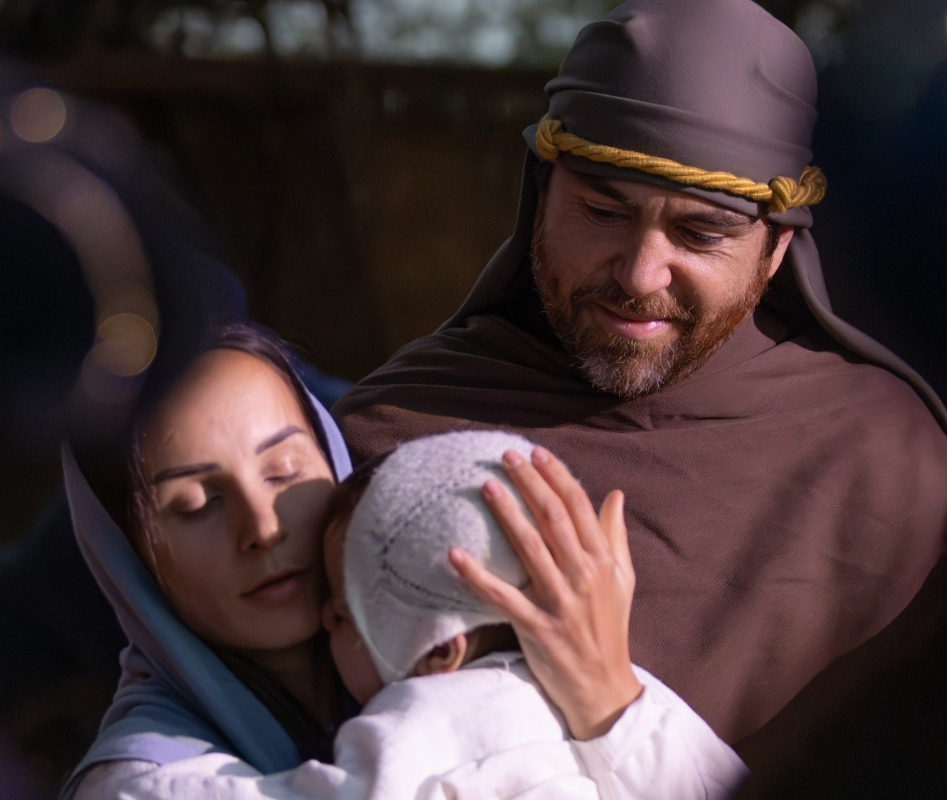
The fulcrum of the entire representation is the Nativity, characterized by the presence of a real newborn in the role of Baby Jesus. The organizers have chosen not to use monumental or artificial structures: the Holy Family is in fact placed under the arches of the historic city bridge. This scenographic solution enhances the natural visual impact of the stone and guarantees excellent acoustics for musical accompaniment.
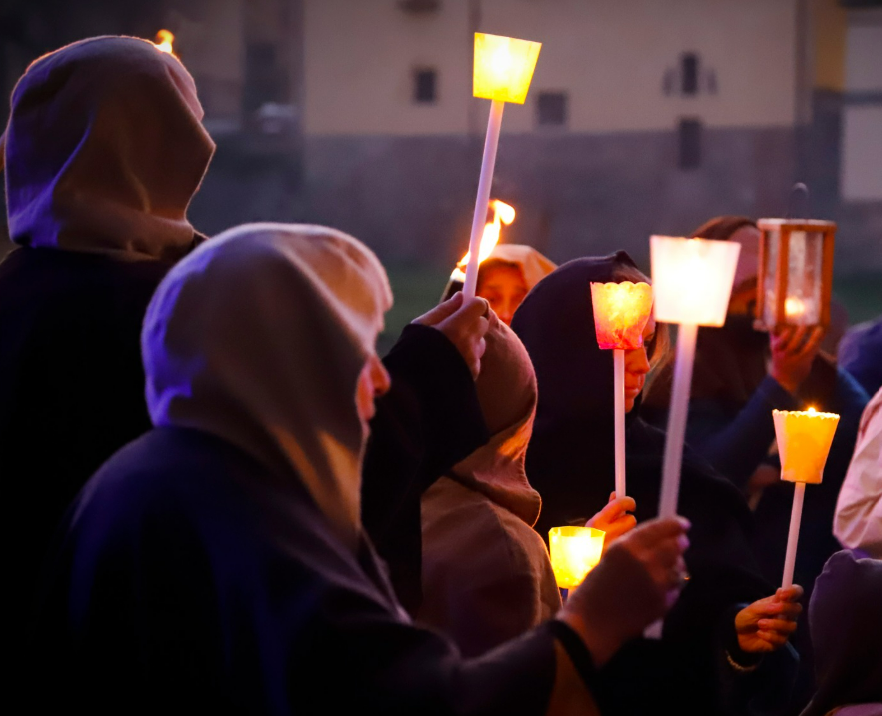
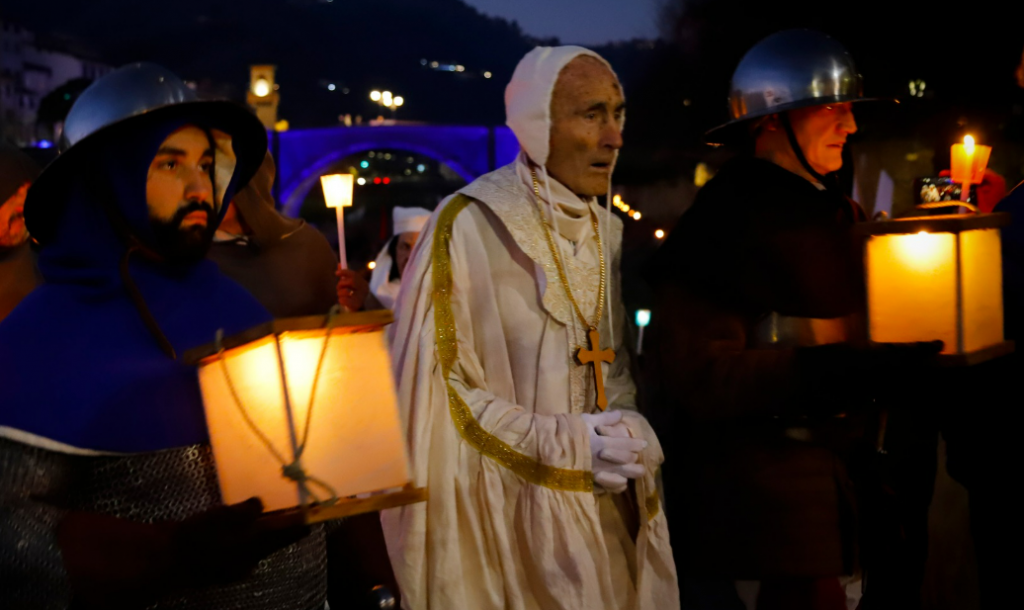
As the sun goes down, the event reaches its technical and visual peak. The direction coordinates a monumental luminous finale that illuminates the entire riverbed. This choice of lighting technology, in addition to guaranteeing the total safety of the public along the banks, offers an exceptional visual impact for the media and photographers, transforming the waterway into a basin of mirrored lights.
Logistics, Security and Parallel Initiatives
The success of the event is based on a complex organizational machine that sees collaboration between the Officina delle Arti and the parishes of the historic center. To ensure the sustainability of the city's road network, the transport plan includes a main interchange car park at the railway station, connected to the event area by a continuous free shuttle service.
The cultural attraction is also broadened by parallel initiatives, such as the exhibition of "Nativity Scenes in Wheelbarrow" hosted in the premises of the Ex Flower Market.
To monitor in real time the calendar of performances and any changes or postponements linked to weather warnings, the organization manages the official Facebook community “The City in the Nativity Scene: The Living Nativity Scene in Pescia“, which has become the direct communication channel for the thousands of visitors who choose to live this experience every year.
History of the Nativity Scene
2006 (The birth): The idea was born from a group of friends intent on recovering the spiritual dimension of Christmas. The event debuts in a smaller form in the small Piazza del Grano, in the historic centre, originally set in "Year Zero".
The Franciscan turning point: Given the strong medieval identity of Pescia, the organizers decide to move the temporal setting to the 13th century. The inspiration officially becomes the first nativity scene in history, created by Saint Francis of Assisi in Greccio in 1223.
The move to the river: The public success pushes the association to abandon the squares and move permanently to the urban river park, along the banks of the Pescia river. This location enhances the Franciscan spirit of love towards nature and animals.
Recent evolution: Over the years the event has grown to over 200 participants and 30 animated scenes. With the 16th edition (2024) the route extends for the first time on both banks of the river, introducing an evocative luminous finale.
The age of majority (2025/2026 Editions): The event (now in its 18th edition in January 2026) covers a 1.5 km route developed on two levels (from the Europa Bridge to the Cathedral Bridge), integrating the parallel initiative of the "Nativity Scenes in Wheelbarrow" at the Ex Flower Market.