


Oratorio di Sant’Antonio a Pescia
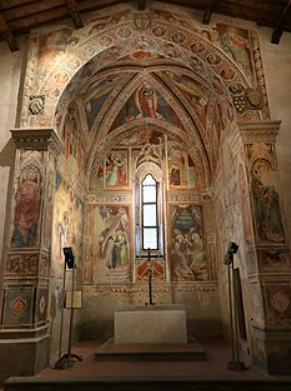
Oratory of Sant'Antonio Abate, a small treasure trove of medieval art and history. Founded in 1361 by a local noble family, the building initially served as an oratory and hospital for the care of the sick and pilgrims, in keeping with the charitable vocation linked to the cult of the hermit saint.
The most valuable element is the extraordinary 14th-century polychrome wooden sculptural group: the Deposition, better known to the people of Pescia as the "Santi Scacciati." This curious name derives from a historical event in 1785, when Grand Duke Peter Leopold's reforms led to the suppression of the oratory; the statues were temporarily removed, only to be returned to their original location thanks to the devotion of the citizens.
L’interno, raccolto e suggestivo, conserva anche un importante ciclo di affreschi attribuiti a Bicci di Lorenzo (XV secolo), che decorano le pareti con scene della vita di Sant’Antonio e di altri santi. Nonostante le ridotte dimensioni, l’oratorio rappresenta una tappa fondamentale per comprendere la spiritualità medievale della Valdinievole, unendo in un solo luogo l’eccellenza della scultura lignea e la pittura tardogotica toscana.