

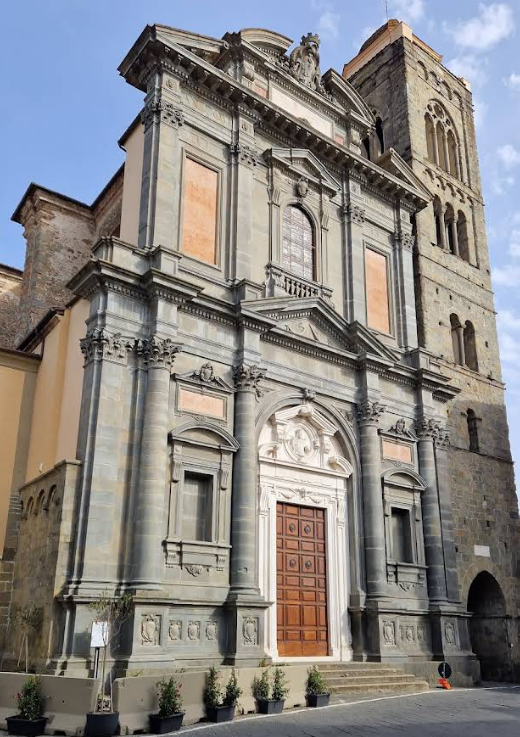
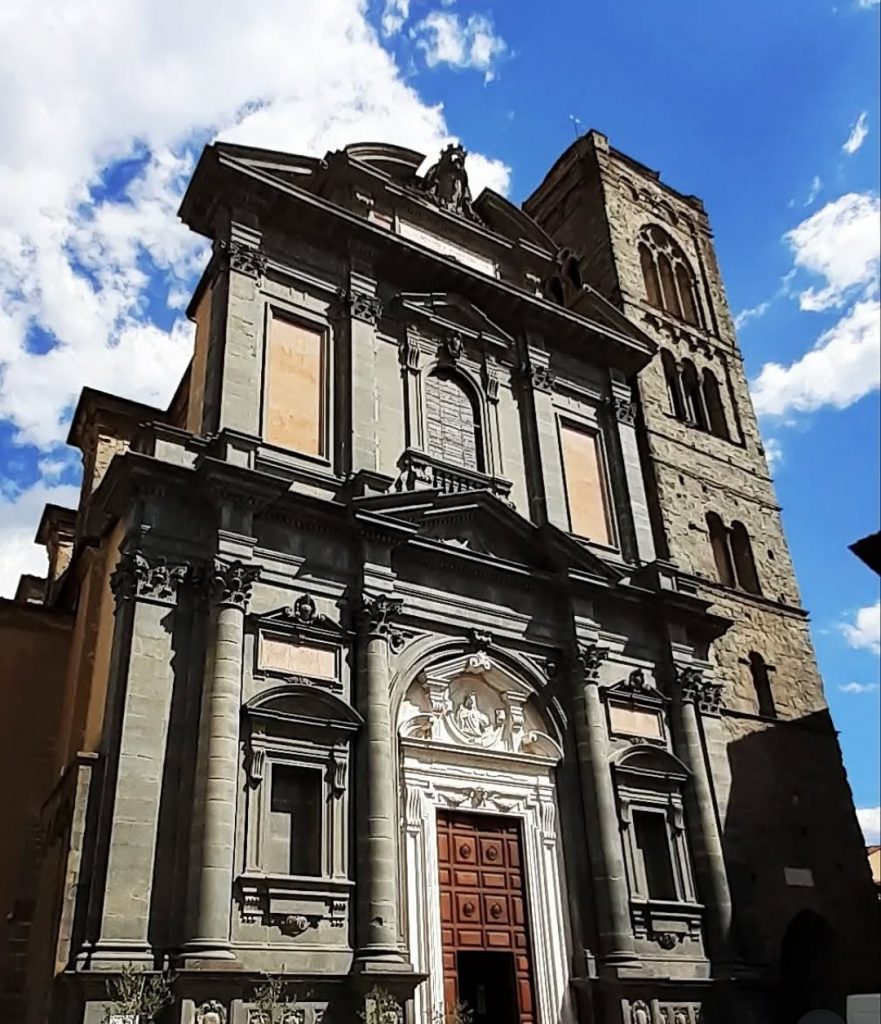
The .The Cathedral of Santa Maria Assunta and San Giovanni Battista, the cathedral of the city of Pescia, is a monument encompassing over a thousand years of history. Although its origins date back to an 8th-9th century parish church, the building we admire today is the result of successive reconstructions and restorations that have continued up to the present day.
A layered architecture
The cathedral underwent a radical transformation in 1684, when the collapse of the dome destroyed much of the previous Romanesque structure (dating back to 1281). The Baroque reconstruction, entrusted to the architect Antonio Maria Ferri, gave the church its current spacious and solemn single-nave layout. The façade, left unfinished for centuries, was completed only at the end of the 19th century by Giuseppe Castellucci in a neoclassical style that harmonizes the entire complex.
Next to the main body stands the sturdy bell tower from 1306, originally a tower of the city walls, decorated with elegant Gothic mullioned windows. ..
Treasures of art and faith
.
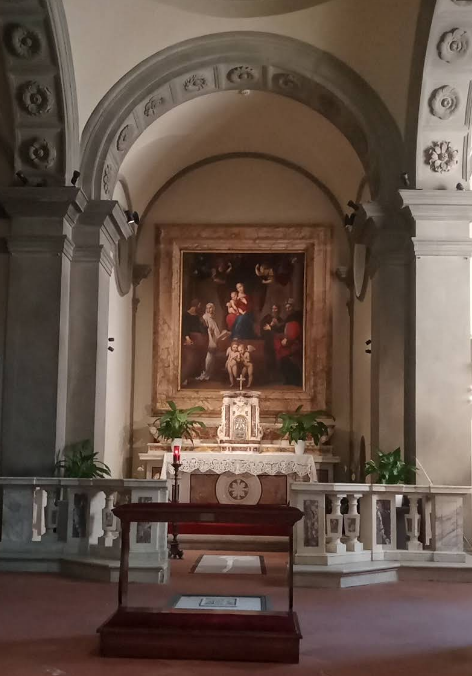
- Turini Chapel: Famous for having housed Raphael's Madonna del Baldacchino for centuries (now in the Pitti Palace, but temporarily returned to Pescia in 2023 for a historic exhibition). The funerary monument of Baldassarre Turini, by Pierino da Vinci, and a 17th-century copy of Raphael's painting can still be admired here.
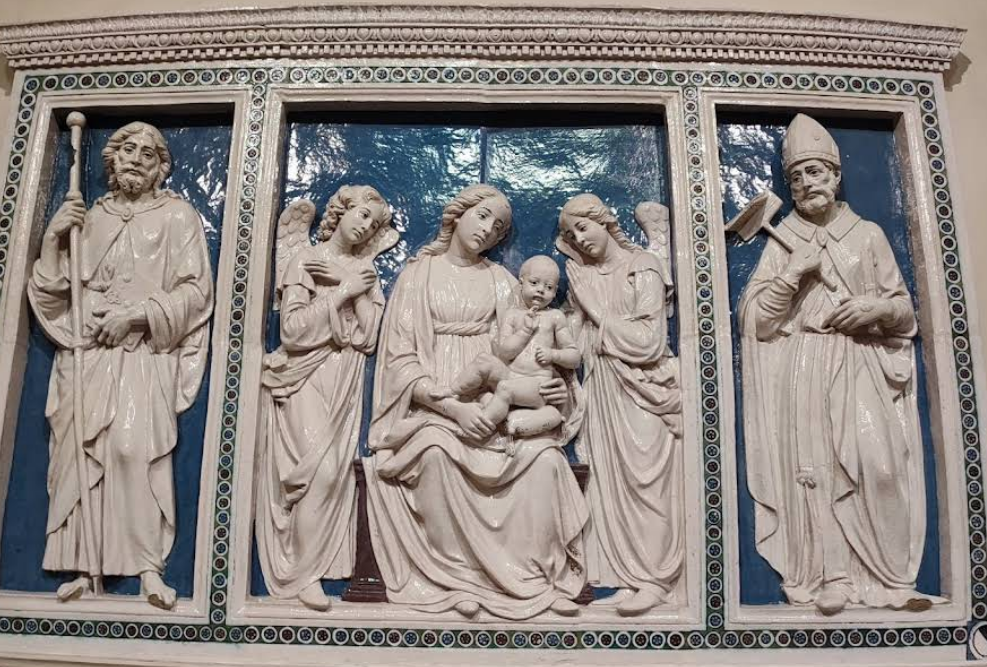
- Della Robbia Triptych: A precious glazed terracotta altarpiece by Luca and Andrea della Robbia, recently relocated to the left transept.
- Sant’Allucio: The cathedral houses the remains of the patron saint of the city and the diocese, a key figure in local spirituality.
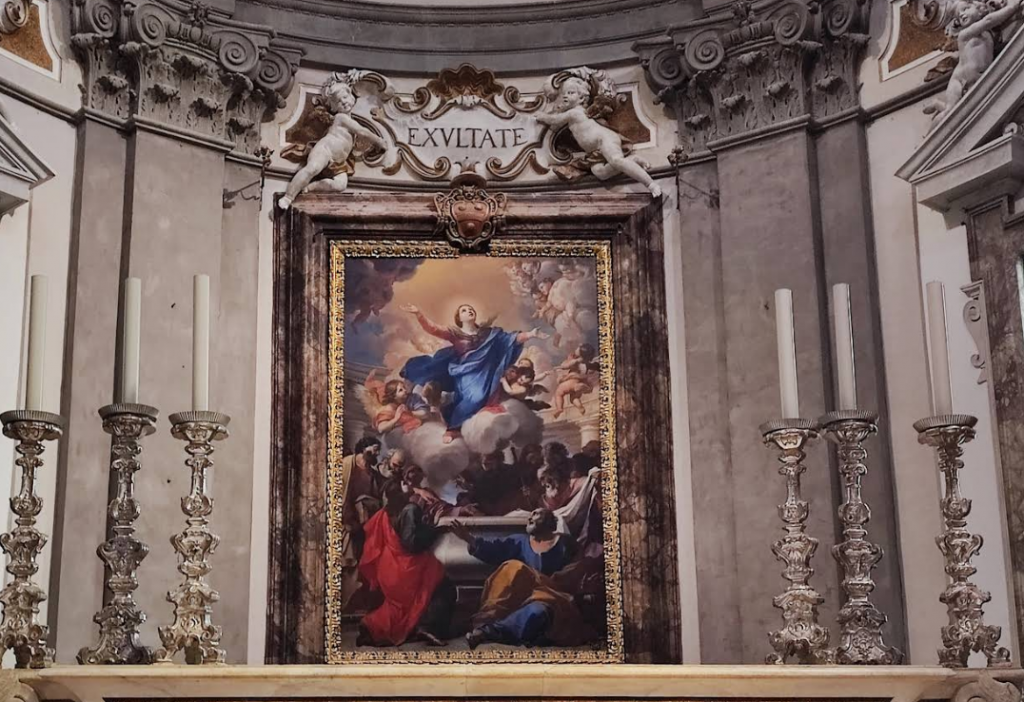
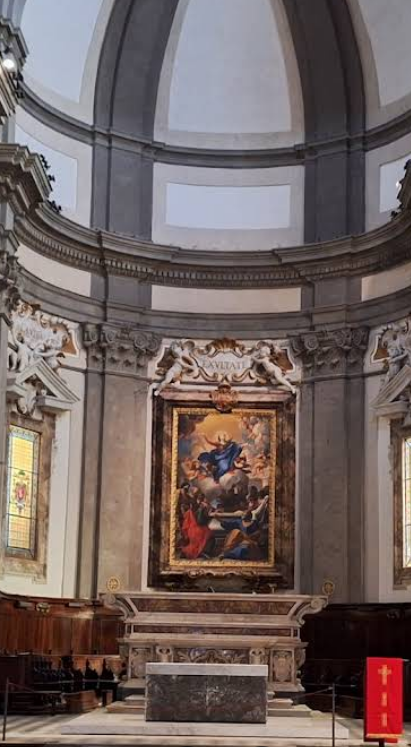
The recent restoration in 2019, on the occasion of the 500th anniversary of the Diocese, has restored the splendor of the stuccoes and the pietra serena members, also providing the presbytery with a new and bright liturgical adaptation in marble and mosaic.
A few steps from the Duomo we find other jewels waiting to be discovered:
- Chiesa di Santa Maria Maddalena
- Chiesa di San Michelino
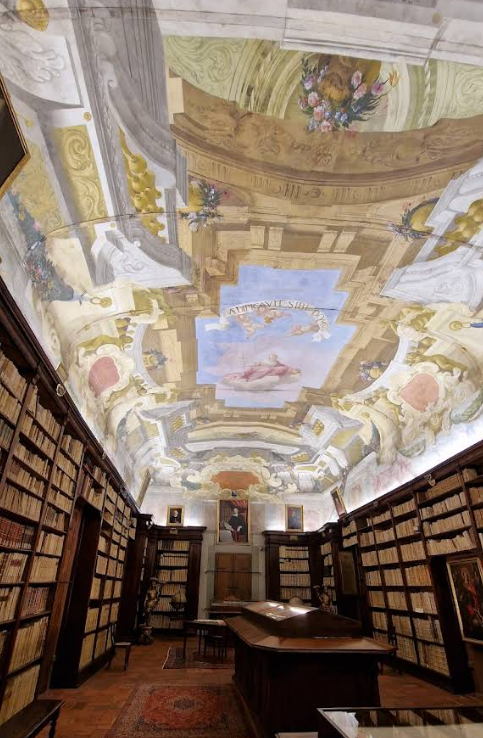
- Seminario Vescovile e Torre del XII secolo