

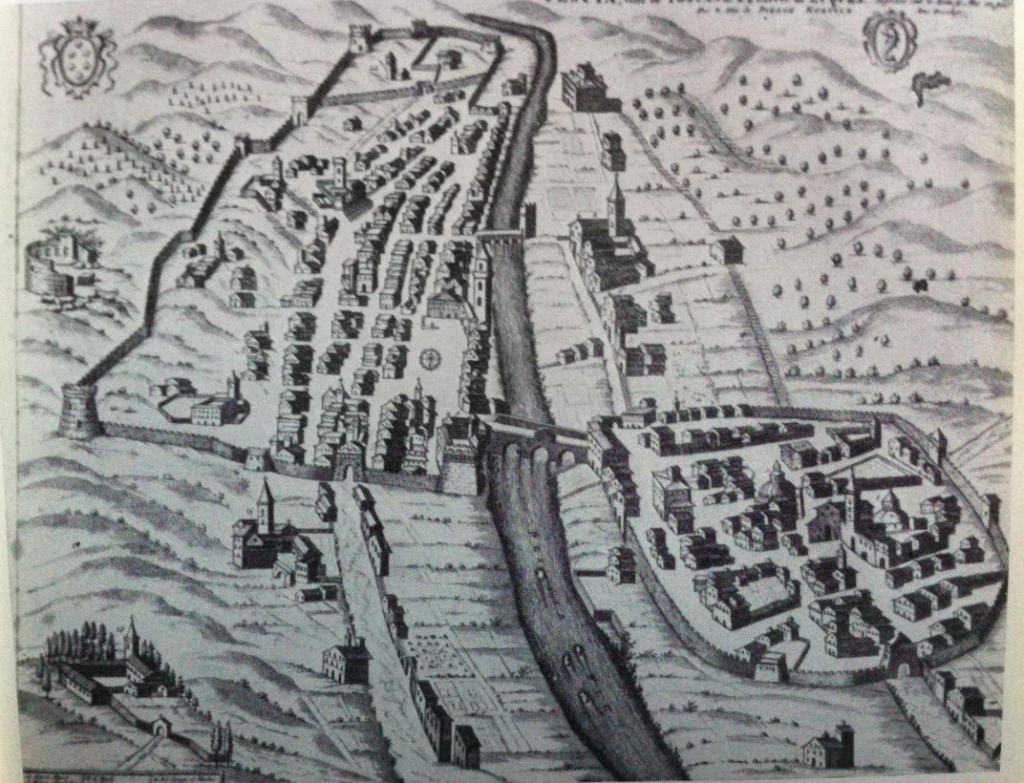
The origins of Pescia are rooted in the Lombard era, although the name likely derives from the Germanic term peche, referring to the river that flows through it. In the Middle Ages, the city became an important center contested between Lucca e Firenze, finally falling under Florentine control in 1339. This union fostered its economic development, based on the production of silk and paper. In 1799, Pescia was the scene of clashes during the Napoleonic occupation, while in the 19th century, it established itself as the world capital of floricoltura. Today, its history lives on in the Palio dei Rioni and in the charm of its noble palaces.
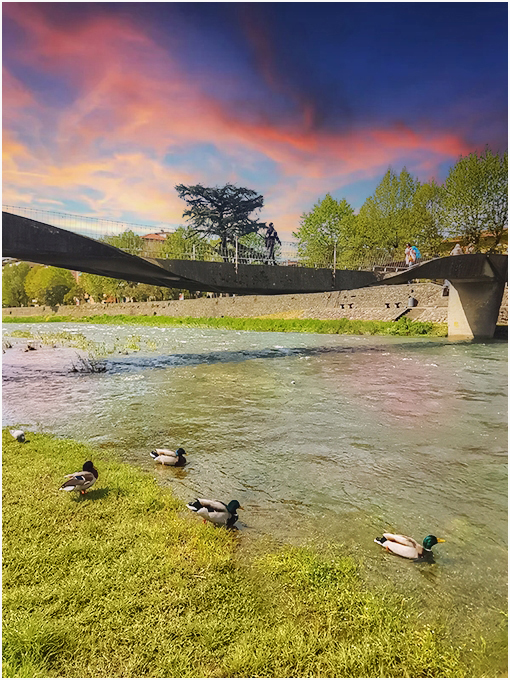
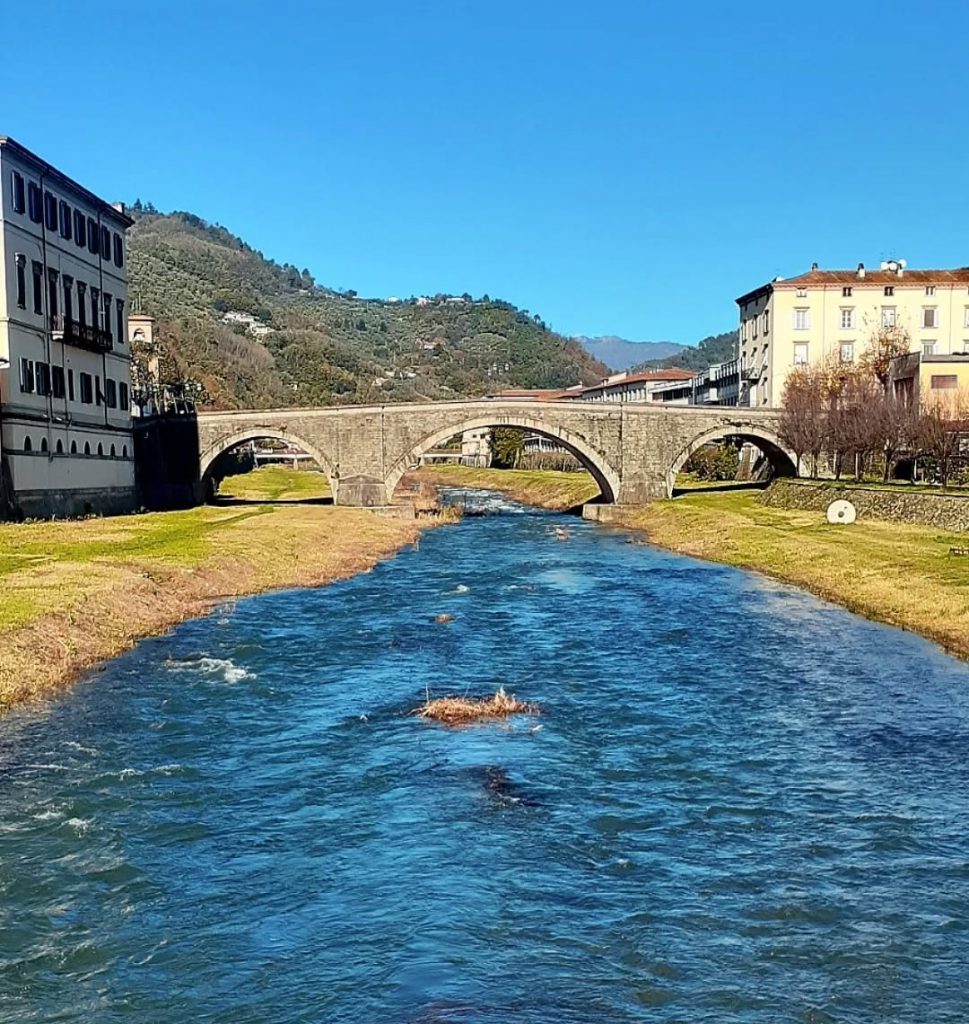
The historic center of Pescia is a medieval jewel nestled among the hills of the Valdinievole, a place where time seems to have stopped, maintaining an authentic and aristocratic atmosphere intact. Characterized by its peculiar urban division, the heart of the city develops along the banks of the Pescia river, splitting into two clearly defined historic nuclei: the religious sector on the left bank and the civil sector on the right bank.
The Religious and Civil Soul – Itinerary
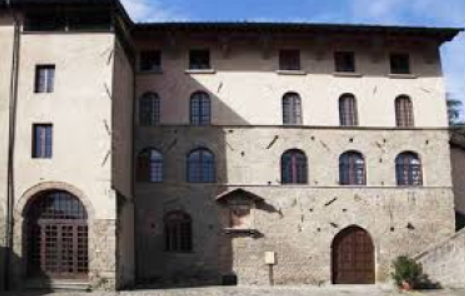
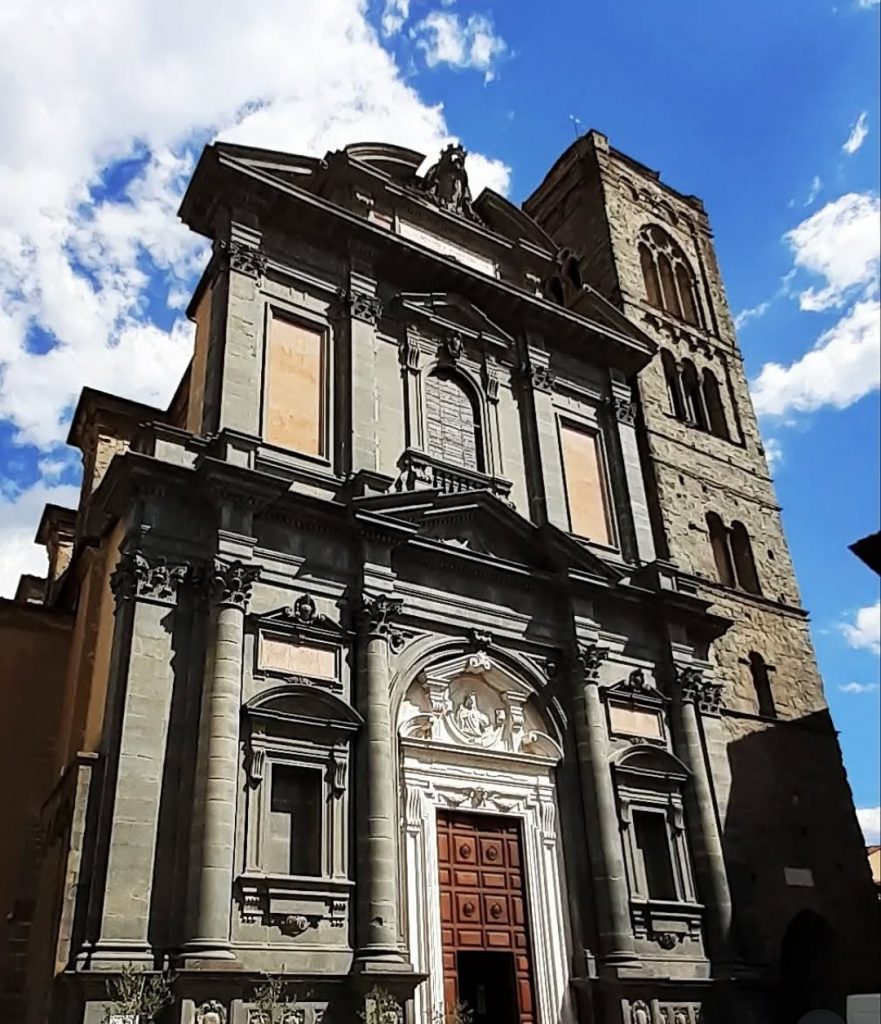
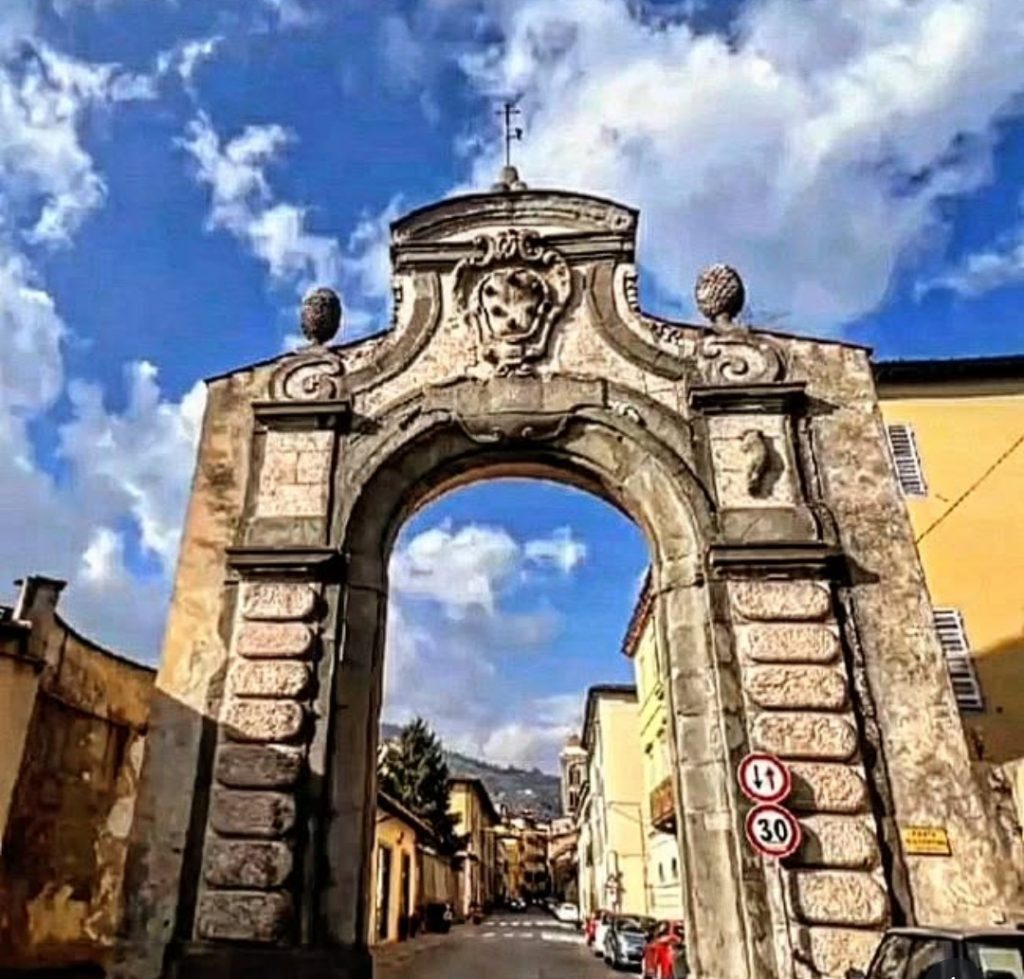
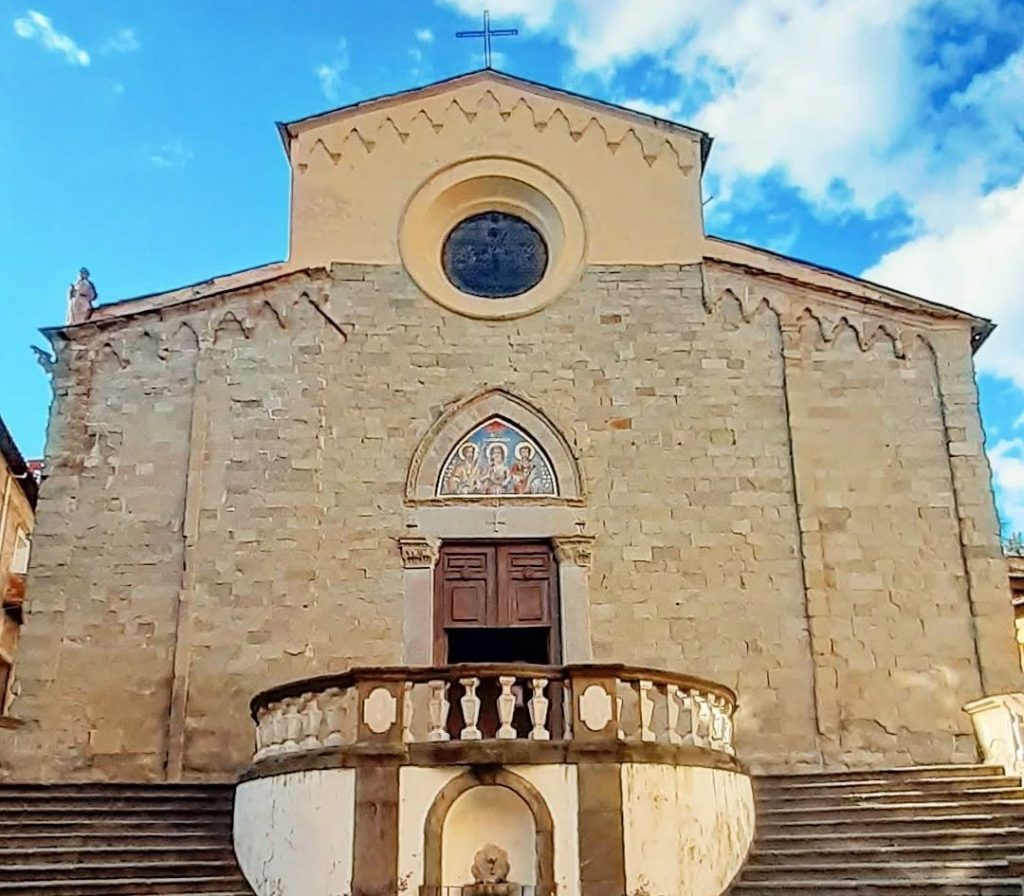
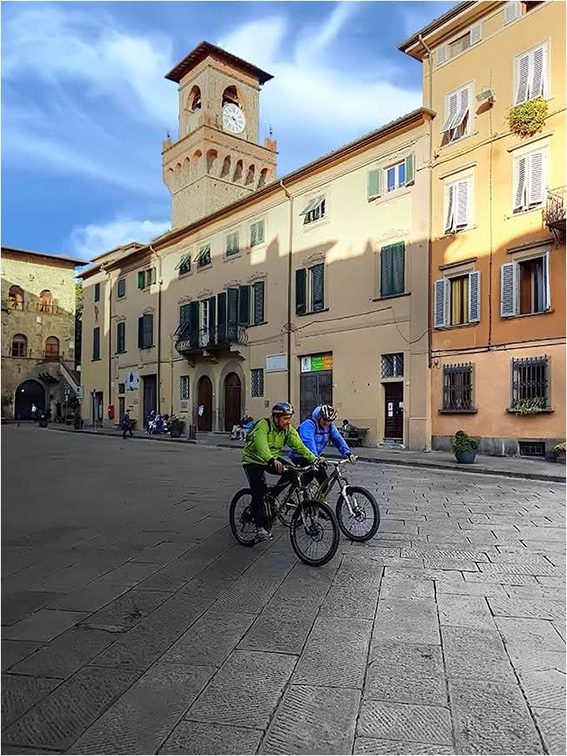
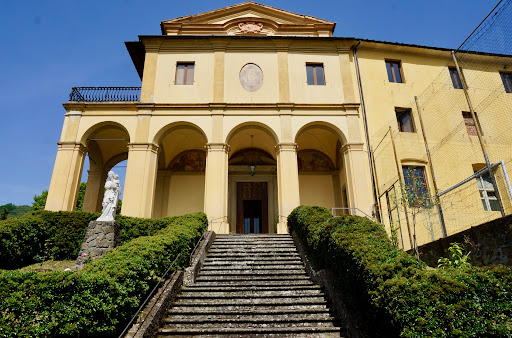
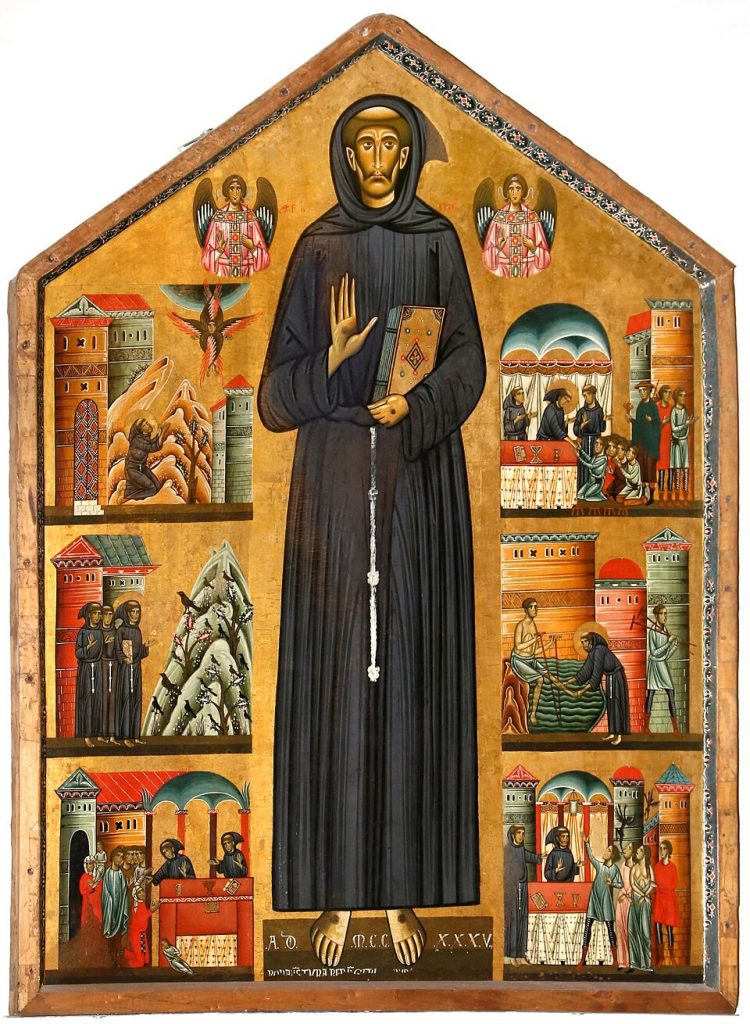
Strolling along the left bank, crossing throughPorta Fiorentina , we encounter the Cathedral of Santa Maria Assunta (Duomo), an imposing structure whose roots date back to the 5th century. Its sober facade hides interiors rich in artworks that testify to the historical importance of the Pescia diocese. Continuing on this side of the Pescia river, we find the San Francesco Church in Pescia , featuring the highly interesting Pala del Berlinghieri (Berlinghieri Altarpiece). Crossing the bridge, you immerse yourself in the hub of city life: Piazza Mazzini. This square, with its characteristic elongated shape, is one of the most evocative in Tuscany. It is overlooked by pastel-colored historic buildings and the monumental Palazzo del Vicario, now the Town Hall, with its tower soaring over the terracotta roofs. Still on the north side, we delve into characteristic alleys until we come across the Palazzo del Palagio, the Church of Santo Stefano, the Gipsoteca Libero Andreotti and the Civic MuseumContinuing south, you will admire historic palaces until you reach the Church of San Michele.
A Labyrinth of Beauty
Pescia's charm lies in its narrow alleys, locally called "rughe", which climb towards the upper areas of the town. Walking through these streets you can discover:
- Oratorio di Sant’Antonio Abate: famous for the fourteenth-century wooden group of the "Deposition" located near the Church of San Francesco.
- Oratorio di San Domenico e la Scala Santa just a short walk from the Church of Santi Stefano e Nicolao.
- Oratorio della Madonna di Piè di Piazza located on the south side of Piazza Mazzini.
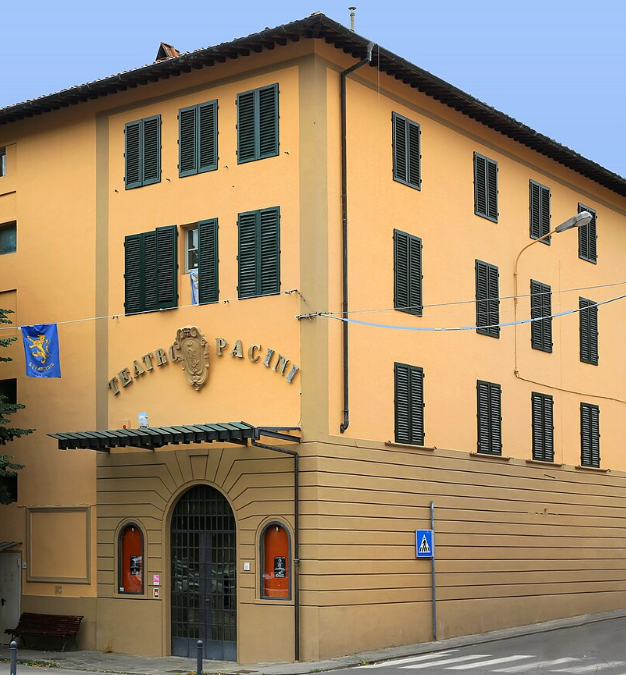
- Teatro Pacini: an elegant example of theatrical architecture that enlivens the local cultural life.
- Libraries and Museums: which preserve the area's papermaking and botanical memory.
- The historic center is not just an open-air museum, but a vibrant place where the scent of the markets mixes with the sight of gardens hidden behind the facades of noble palaces. Visiting Pescia means rediscovering a less frantic Tuscany, made of stone, water, and an architectural nobility that speaks of centuries of commercial and artistic history.