

From Palagio a Monte to Pescia
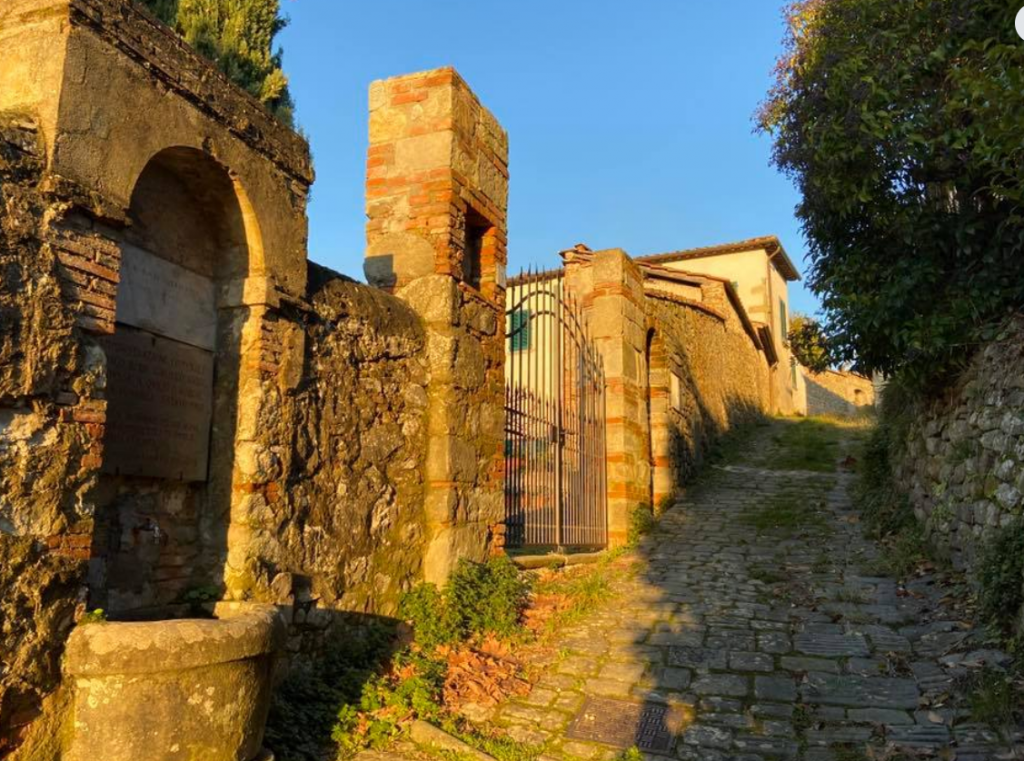
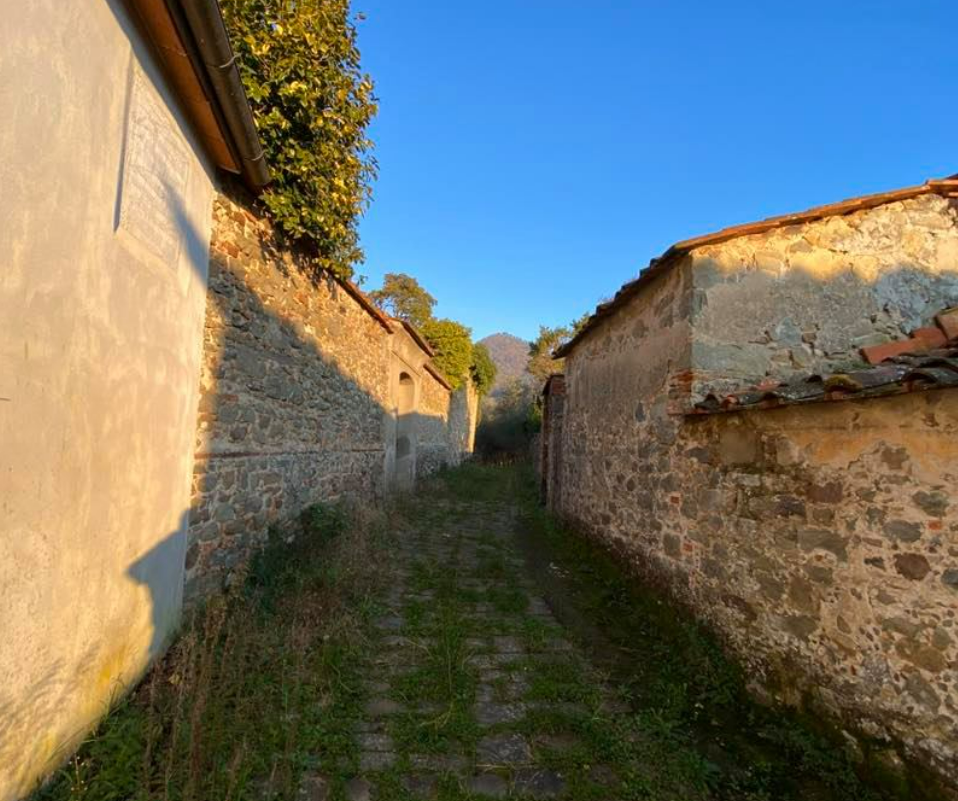
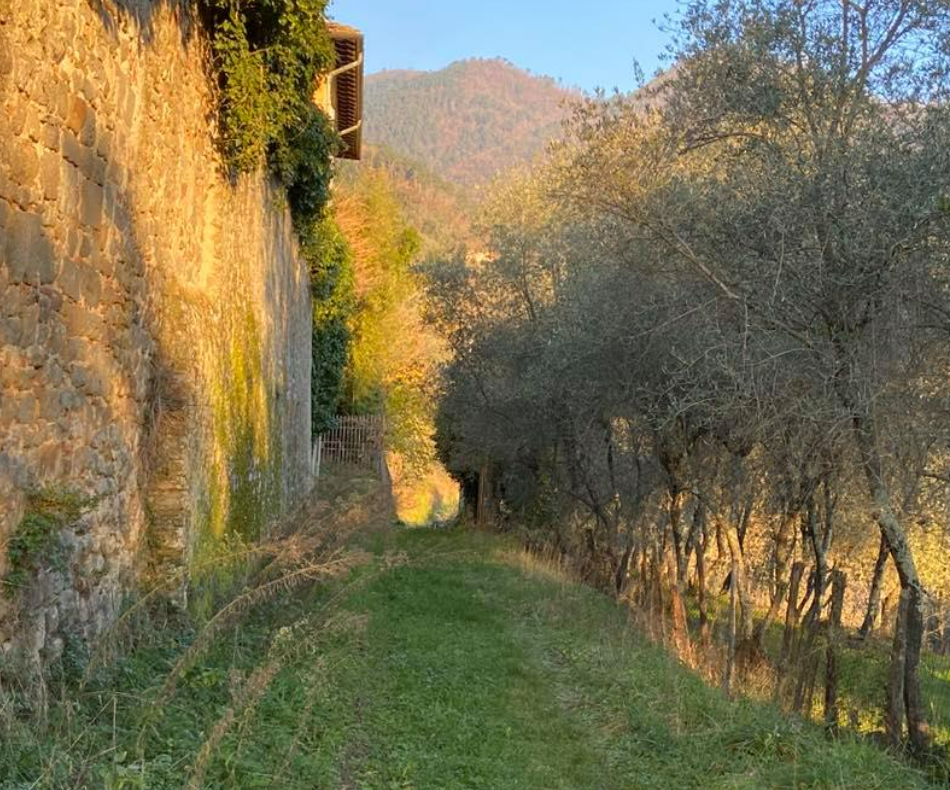
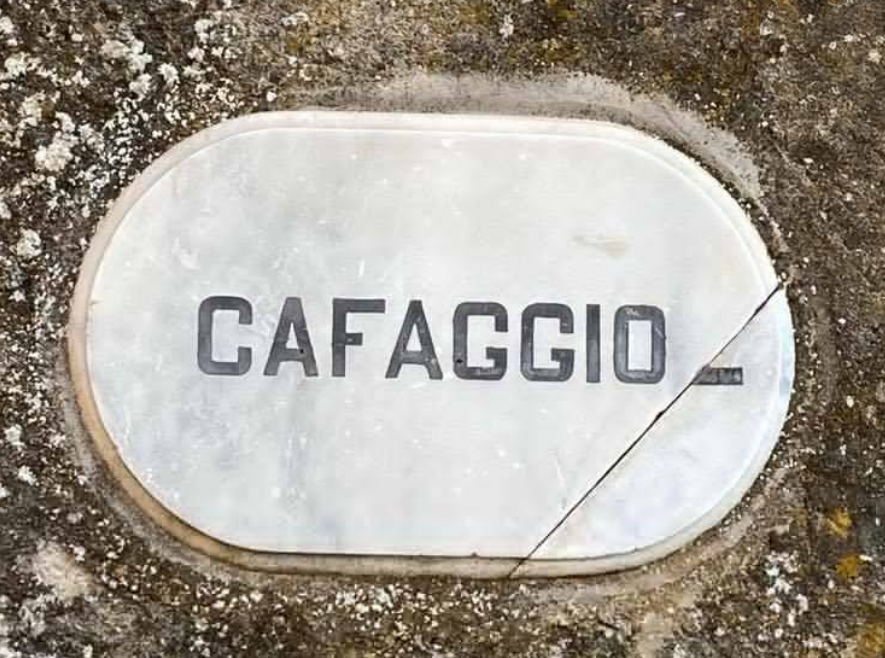
In the locality of Cafaggio, along the CAI 251 trail, which leads from Palagio a Monte to Pescia, we encounter the arch that supports the aqueduct directed to the Convent Complex of Castello, the ancient Fortress of Bareglia.
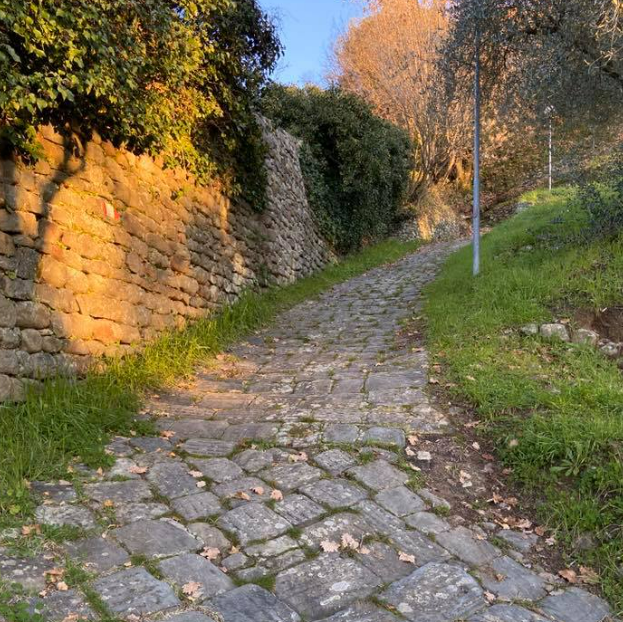
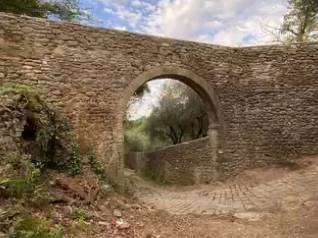
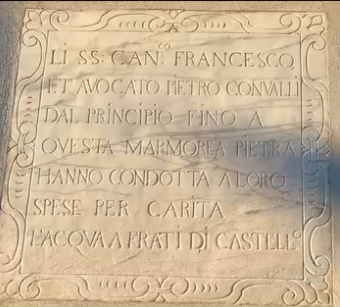
The structure, made of stone and bricks, was built in 1707 by the Convalli family (Francesco, a canon, and Pietro, a lawyer) to carry water from one of the springs of Rio Santo Stefano to the Minimi Friars of the Order of Saint Francis of Paola. On the arch, the coat of arms with the word “Charitas” is clearly visible, a motto embraced by the saint and displayed on his chest or shield. In the convent’s church, called Santa Maria Orphanorum, many paintings and frescoes are preserved depicting the works of Saint Francis of Paola.
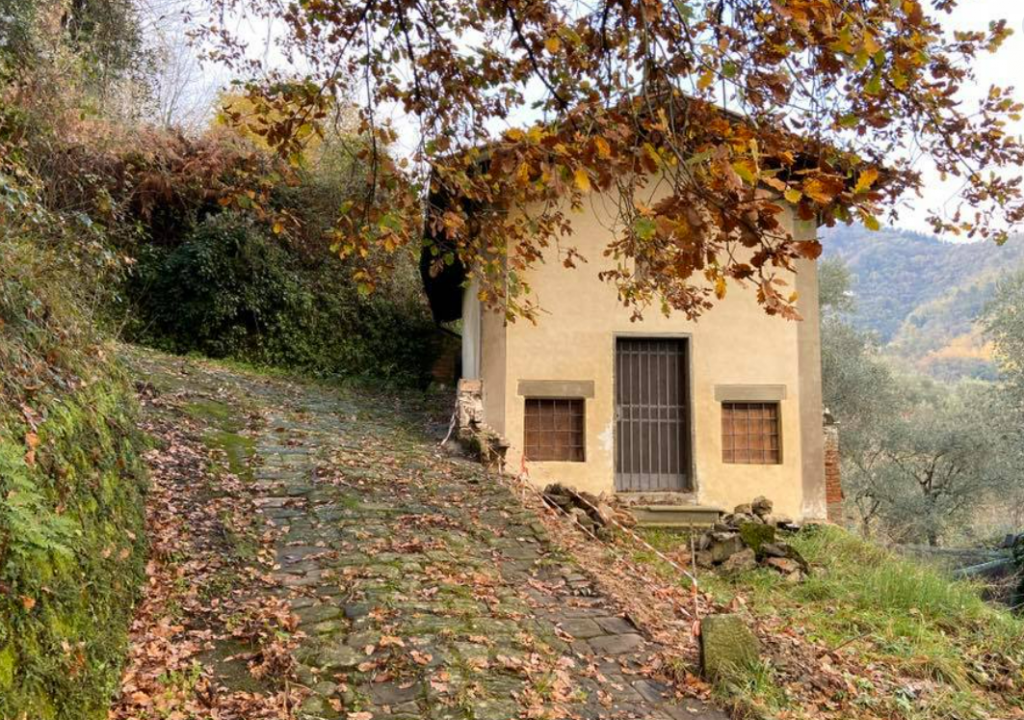
The Elementary School of Cafaggio and Monte a Pescia
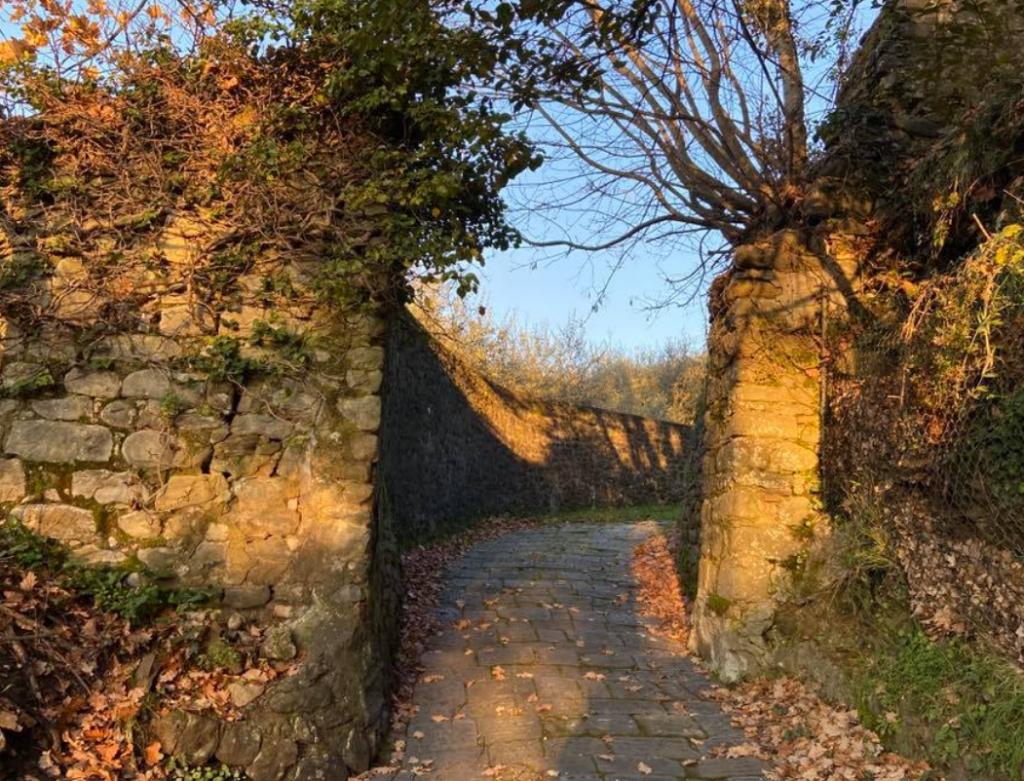
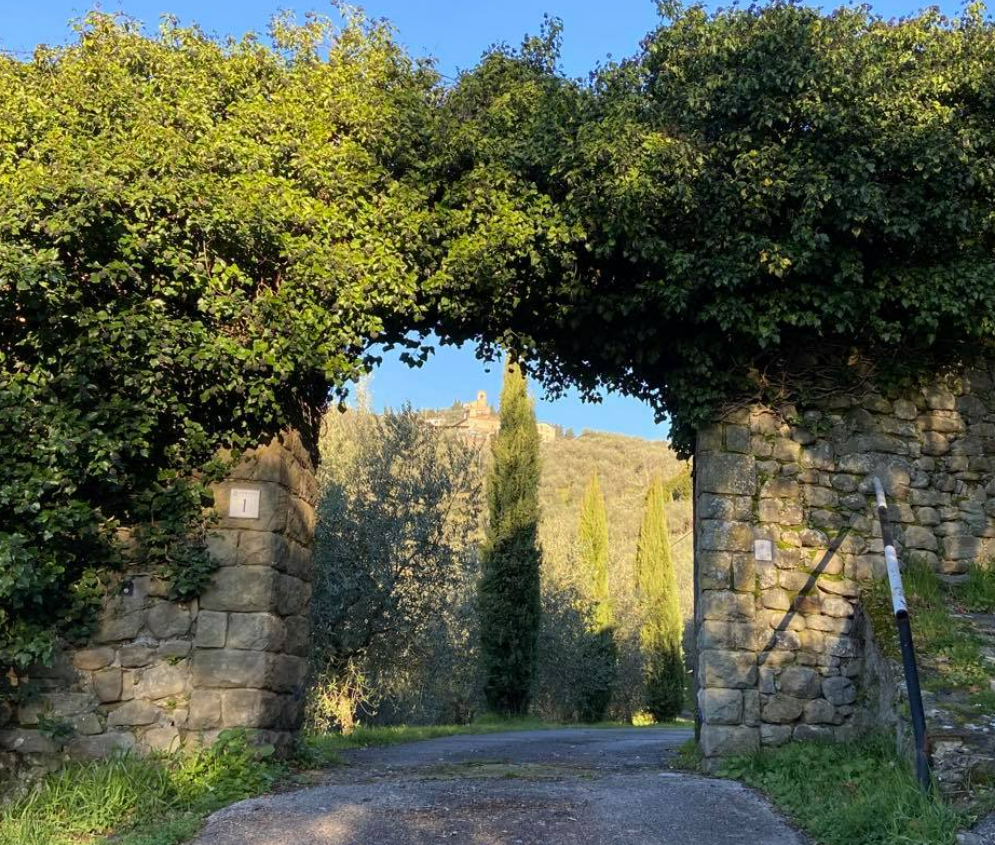
It is located along the mule track leading from the church of Santo Stefano a Monte to Pescia, just past Villa Cafaggio and shortly before reaching Barignano. This imposing building, now abandoned and in ruins, overlooks the areas of Bareglia and Capanne; in front of it lie the hills of Uzzano, Speri, and Sorico, situated on the left bank of the river, while to the north stands Monte Cupola with the church of Santa Margherita. Until the 1960s, this structure served as a branch of the Pescia Elementary School, housing a multi-grade classroom for children aged 6 to 11 from the surrounding area, which was densely populated at the time. The classroom was located on the ground floor, and the gate providing access to the driveway can still be found today adjacent to Villa Cafaggio. The school was accessible only on foot via the mule track. Just a few dozen meters away is the small church of Pancore, and beyond that lies the locality of Barignano. It was from the hills above Cafaggio and Barignano that water was channeled to supply the first rudimentary aqueduct for these areas and for the religious community of Castello; this is still visible above the archway of the Gate. Two plaques along the mule track, placed by the Convalle family who resided in the Villa at the time, stand as a testament to this early 19th-century work.
(cit. Alessandro Birindelli)