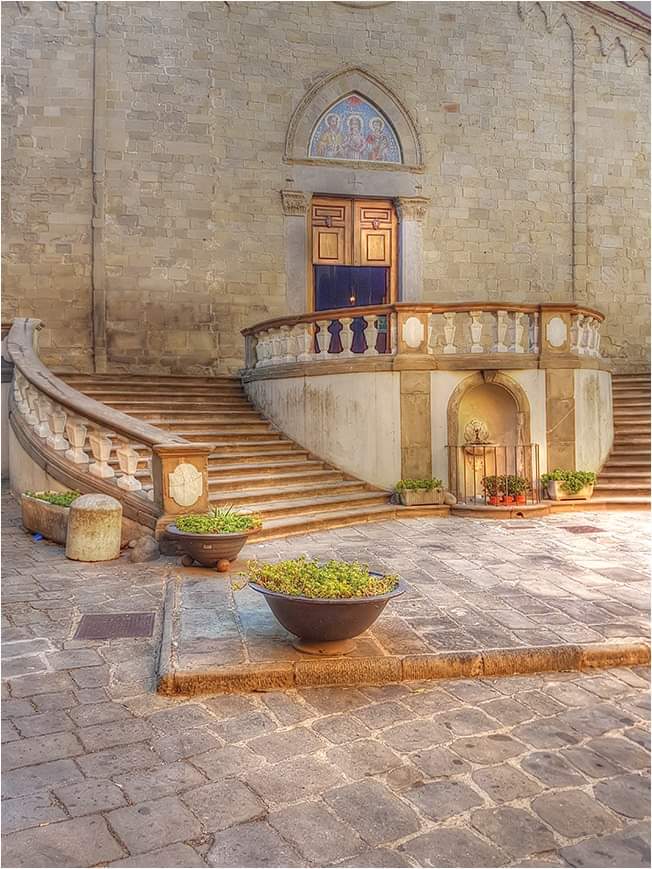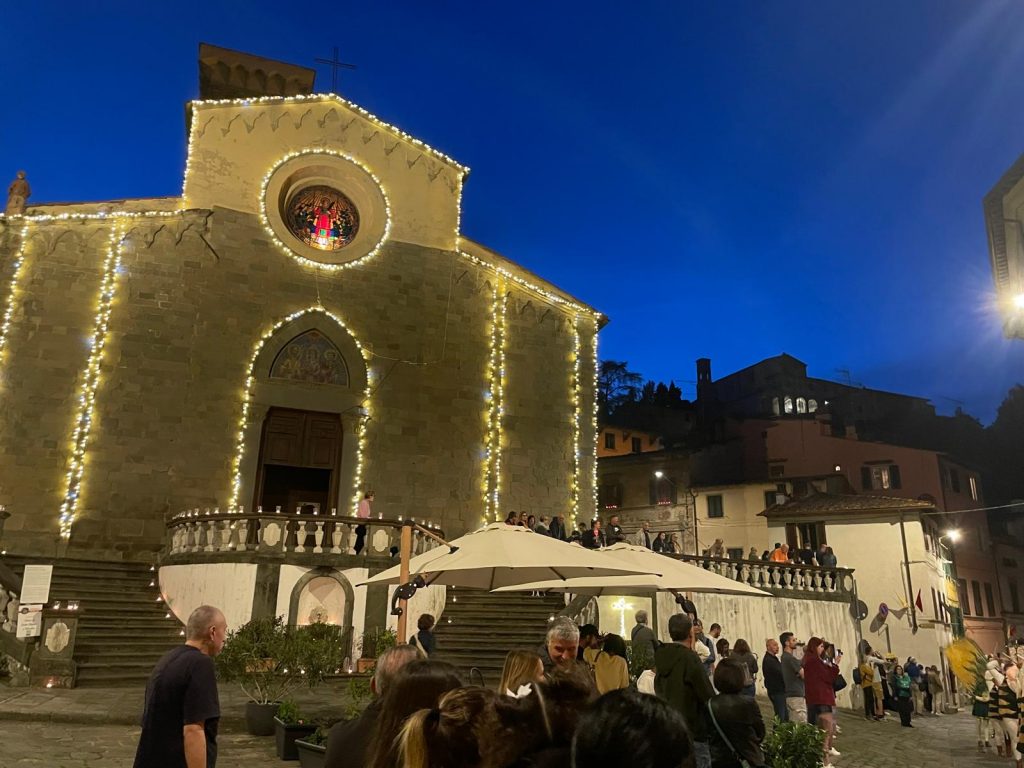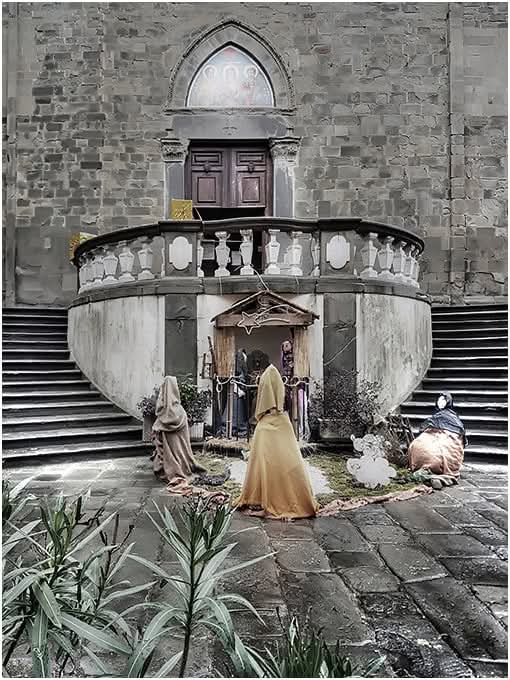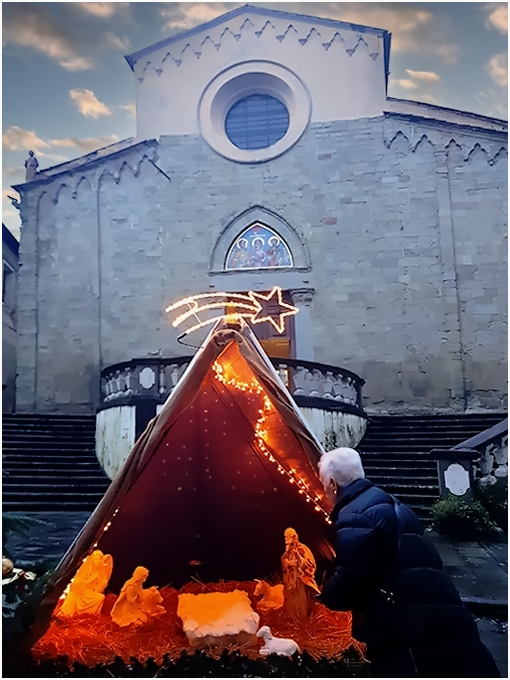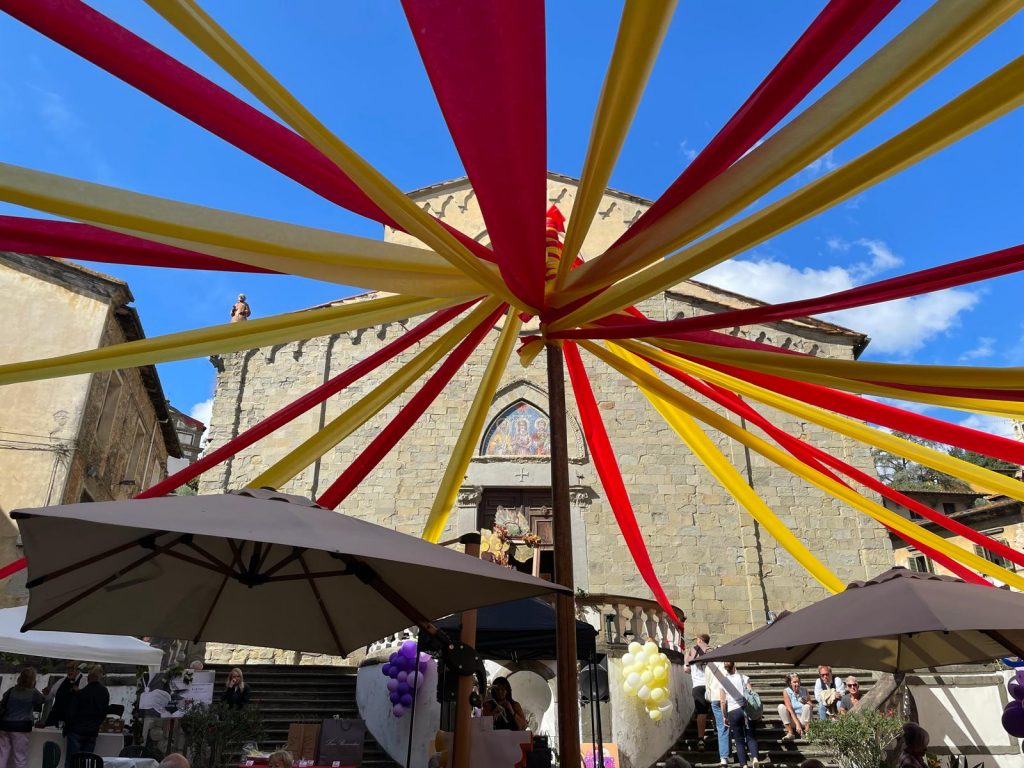


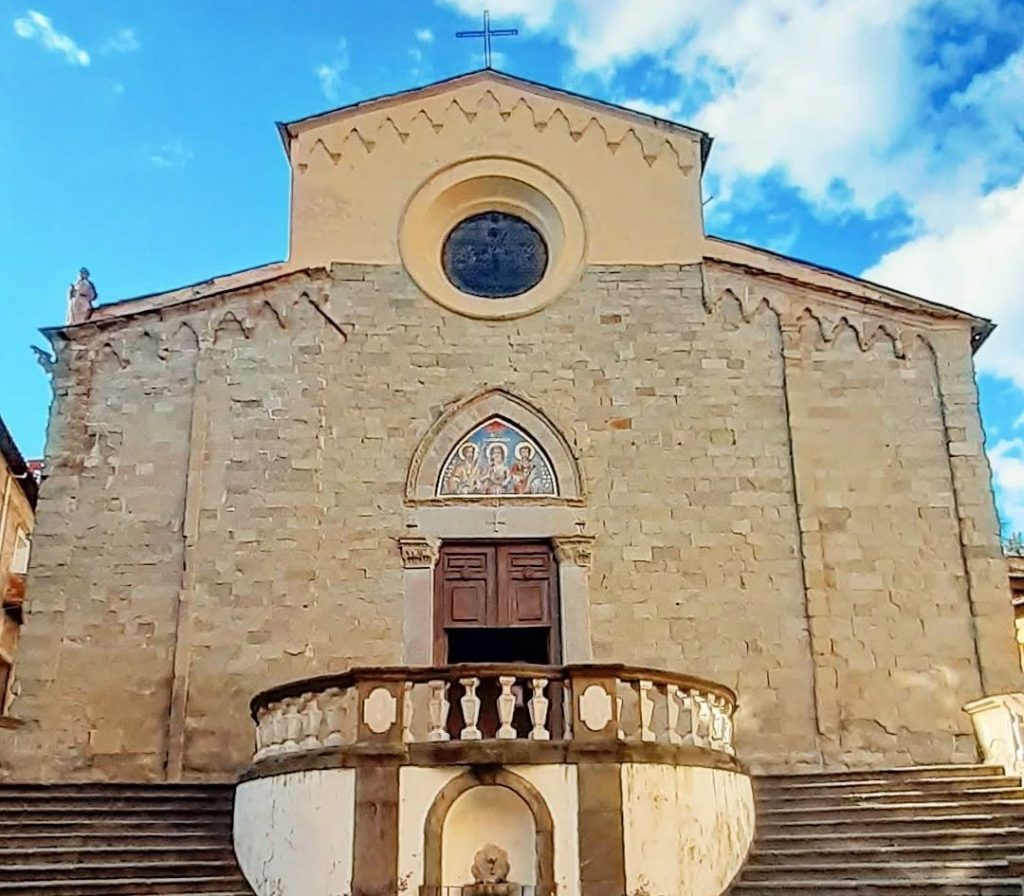
The Chiesa dei Santi Stefano e Niccolao), commonly known as the Church of Santo Stefano, is one of the oldest and most significant places of worship in Pescia. Located in the heart of the historic center, it was once the seat of the Domus Curiae of the Imperial Vicar. Although the building was already mentioned in a notarial deed from 1608, it now appears as the result of major Baroque renovations. The interior, solemn and harmonious, houses precious treasures. The church represents a perfect bridge between medieval roots and the artistic splendor of later centuries.
The three-aisled interior is characterized by pillars and pilasters with Corinthian capitals in grey stone that stand out against the white plaster, and two square chapels in the apse area. A pulpit in polychrome marble is attached to the main nave, while the organ is placed above the entrance portal, with eight stained-glass windows featuring images of saints letting the light filter through from above.
Among the artworks, aAnnunciazione carved and painted wooden from the Pisan school (c. 1390-1400) known as the Madonna dell’Acquavino; San Michele and San Sebastiano, attributed to Agostino Ciampelli; the Liberazione di San Pietro of Alessandro Tiarini (1605-1606); a Madonna col Bambino e angelia panel from the second half of the 14th century. On the high altar, a large Crocifisso wooden from the second half of the 18th century. Behind the altar is a valuable wooden choir. On either side of the high altar are two identical coats of arms topped by a bishop's hat; inside the shield with the "capo d'Angiò" (Chief of Anjou) is the red eight-pointed cross of the Military Order of Saint Stephen and a crescent moon lower down belonging to the Simi family, who commissioned the altar as stated in the inscription on its back. In all likelihood, the coat of arms belonged or referred to the Bishop of Salamis, Venanzio Simi, General of the Vallumbrosan Order since 1696, as commemorated in the plaque inside the Basilica of Santa Prassede in Rome, which features a similar coat of arms.(learn more )