
Pontito : Borgo delle Dieci Castella
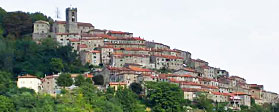
Pontito è la frazione più lontana del comune, a 750 metri di altezza sul mare e si trova nella Val di Forfora in prossimità della sorgente del fiume Pescia. Patria di Lazzaro Papi, storico, viaggiatore nelle Indie Orientali, letterato e primo traduttore in italiano del Paradiso Perduto di John Milton, Pontito ha origini antichissime: secondo la tradizione, il nome andrebbe ricondotto ad un ponte edificato da Tito Augusto.
Dal punto di vista della conservazione dell’antico paese, è stato proprio questo isolamento a produrre il miracoloso risultato di far giungere fino a noi un borgo medioevale intatto fin nei minimi particolari, completamente costruito in pietra, senza una casa ridipinta, un mattone sostituito, un edificio che non abbia perlomeno qualche secolo di vita. Oggi una moderna strada conduce al paese, ma fino ad un’epoca abbastanza recente solo una tortuosa mulattiera costituiva il mezzo di collegamento tra il paese di Pontito e il territorio pesciatino.
How to see in Pontito:
alcune case del paese sono ornate da splendidi portali realizzati in pietra. La forma tipica della cittadina è a ventaglio rovesciato con strade e case che formano vari archi concentrici.
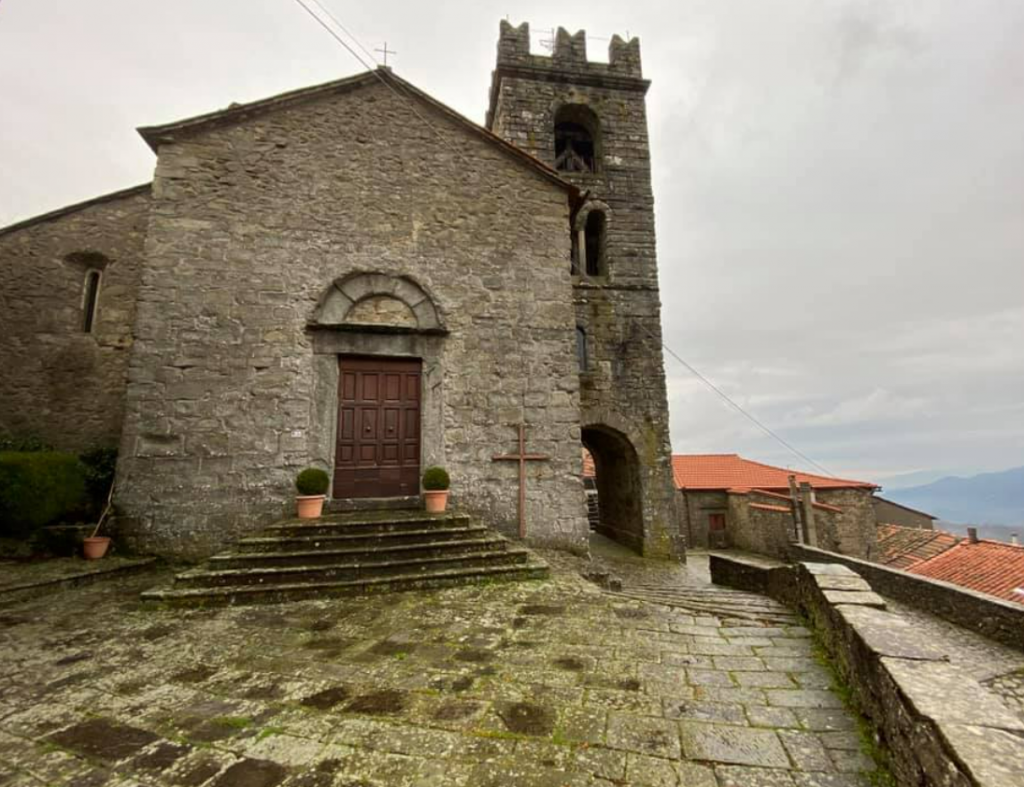
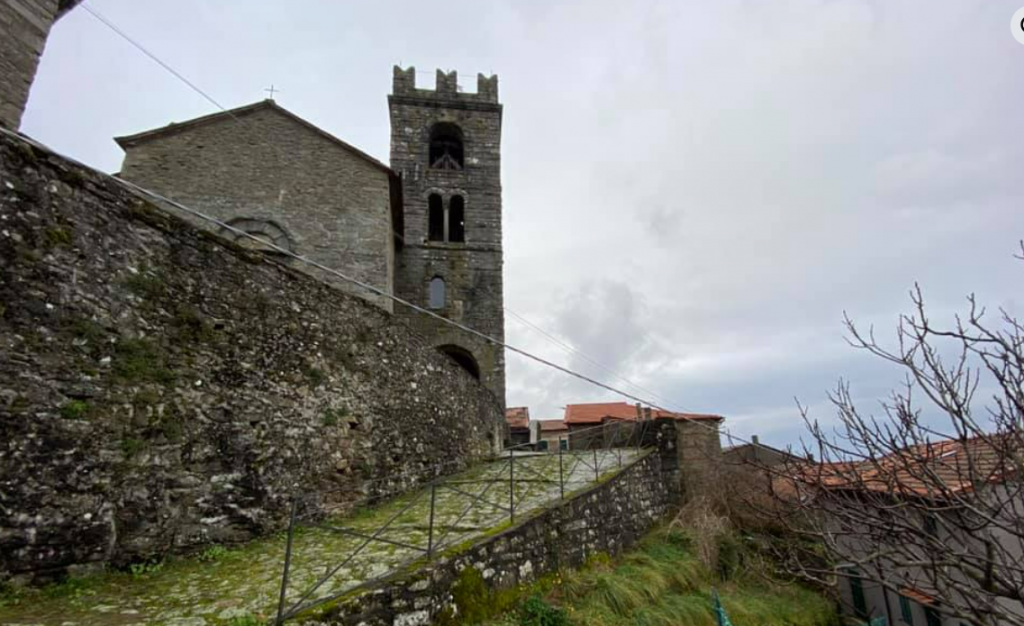
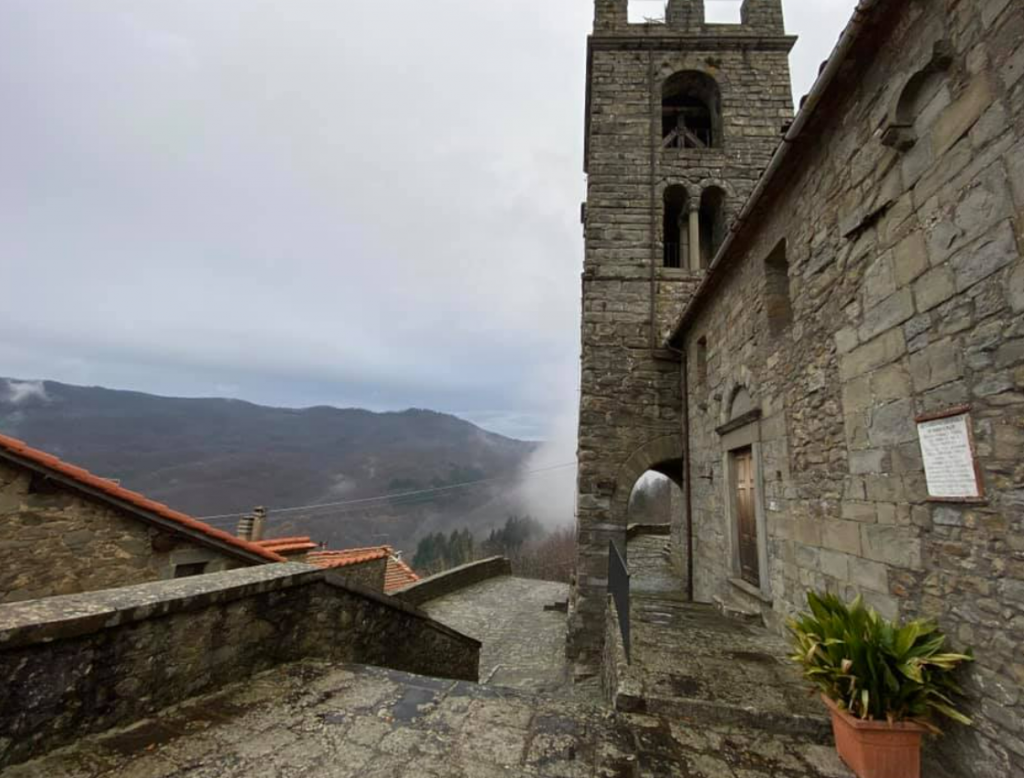
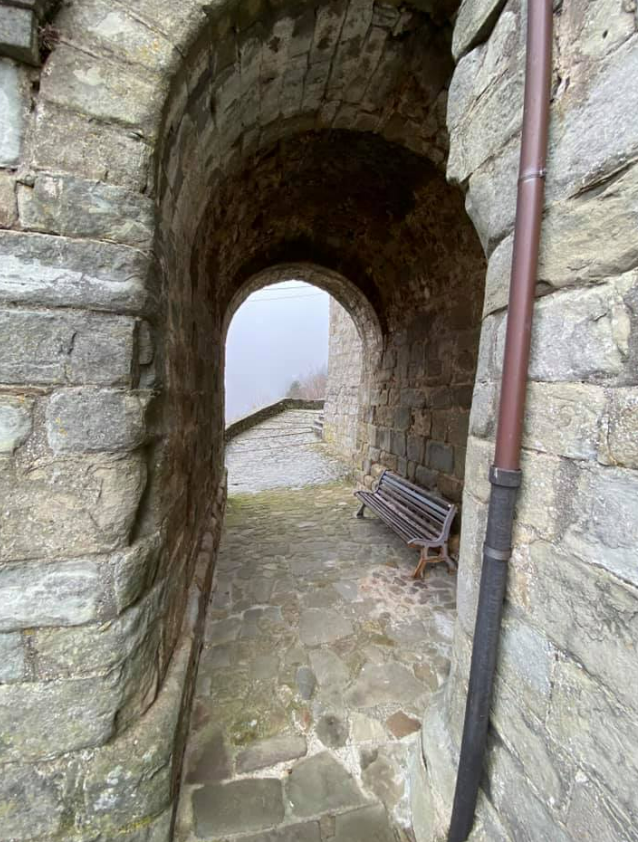
Al vertice di questo “ventaglio” si trova la Chiesa parrocchiale di impianto romanico ma restaurata nel 1497, dedicata ai Santi Andrea e Lucia. Già esistente nel 1260, è interamente in pietra, così come il Campanile, l’antica torre della Rocca. All’interno troviamo tre navate con colonne di pietra serena e capitelli; possiede pochi ma pregevoli quadri, dal Cinquecento all’Ottocento; vi si trovano un fonte battesimale in pietra serena di fine ‘400 e un organo Tronci attualmente in disuso; il congegno per l’”orologio meccanico a pendolo” del campanile, riparato dai paesani e ben funzionante, è esposto all’interno della chiesa e merita la visita.
Dal campanile la vista è mozzafiato. Fu utilizzata una volta abbandonata la primitiva chiesa fuori dal paese, la Chiesaccia e Chiesa di Sotto. Nella parte alta del paese è possibile scorgere alcuni resti dell’antica rocca, della cinta muraria e delle quattro porte dette “di Sopra”, “di Sotto”, “Michelina” e “a Lucca”. ( cit Alessandro Birindelli)
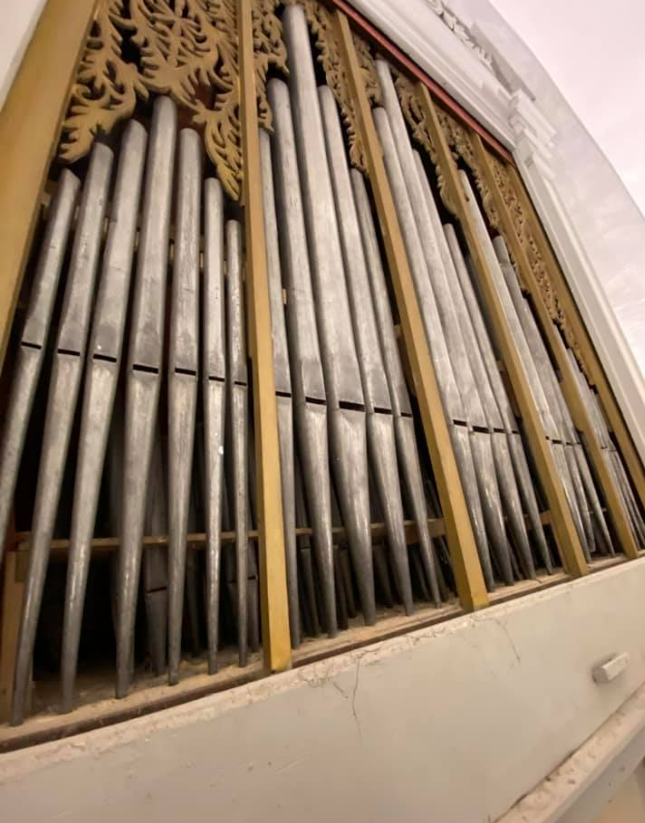
Organo a mantice 1838 – Filippo Tronci 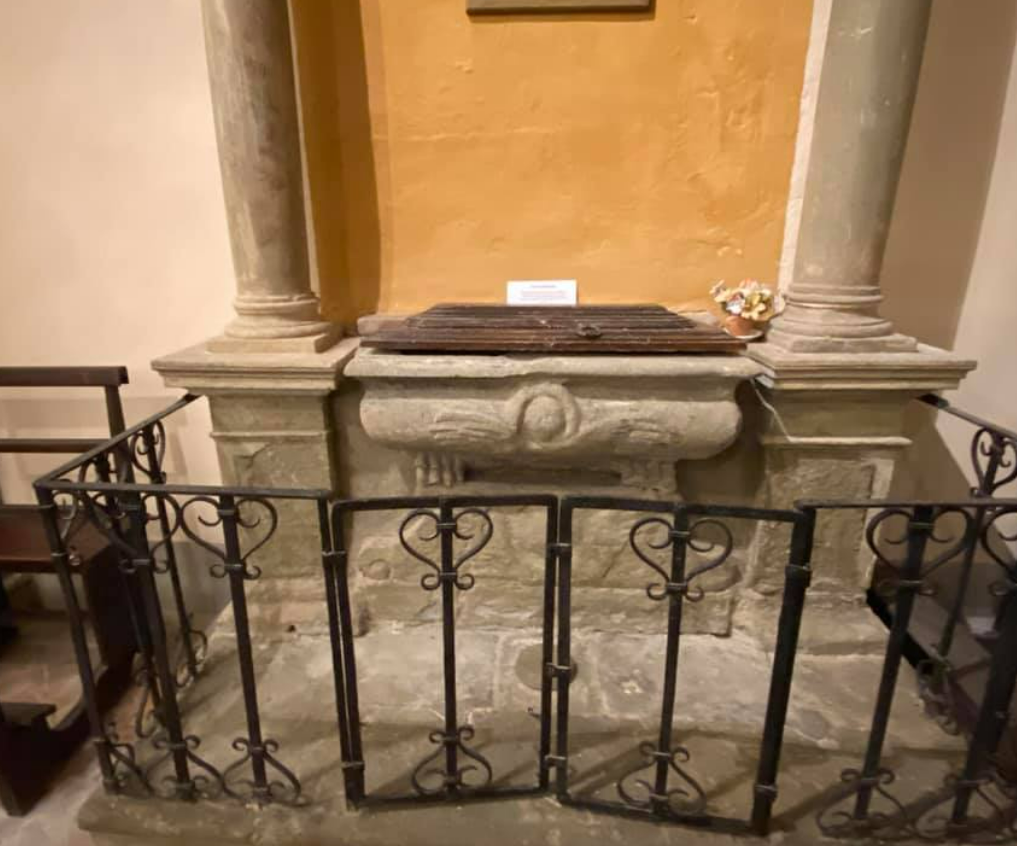
Fonte battesimale sec XVI pietra serena scolpita 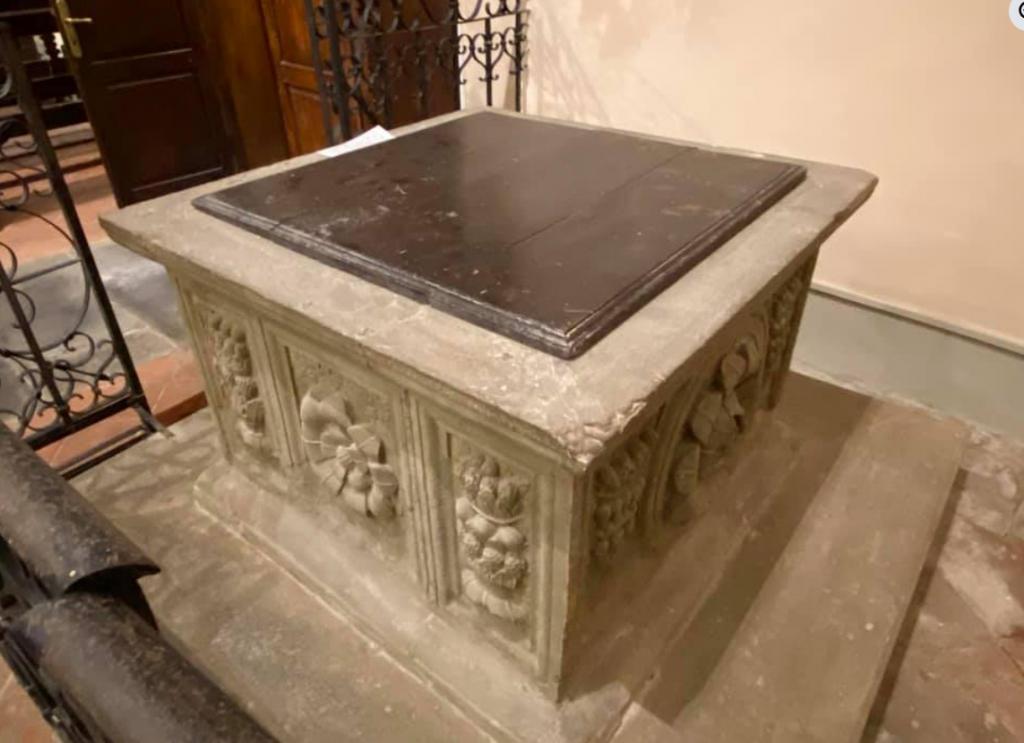
Fonte battesimale sec XV pietra serena scolpita 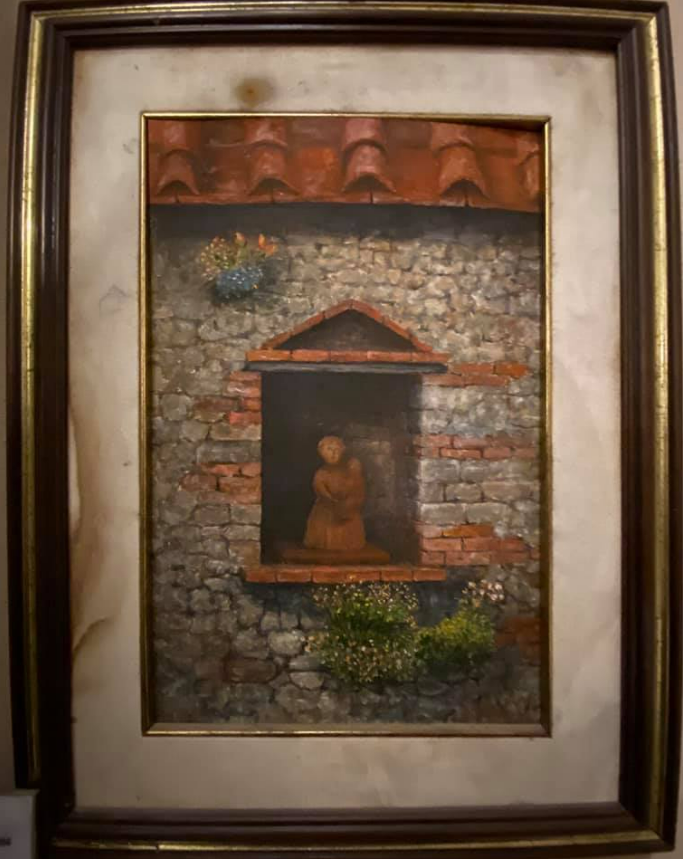
La Madonna dell’archetto di Franco Magnani 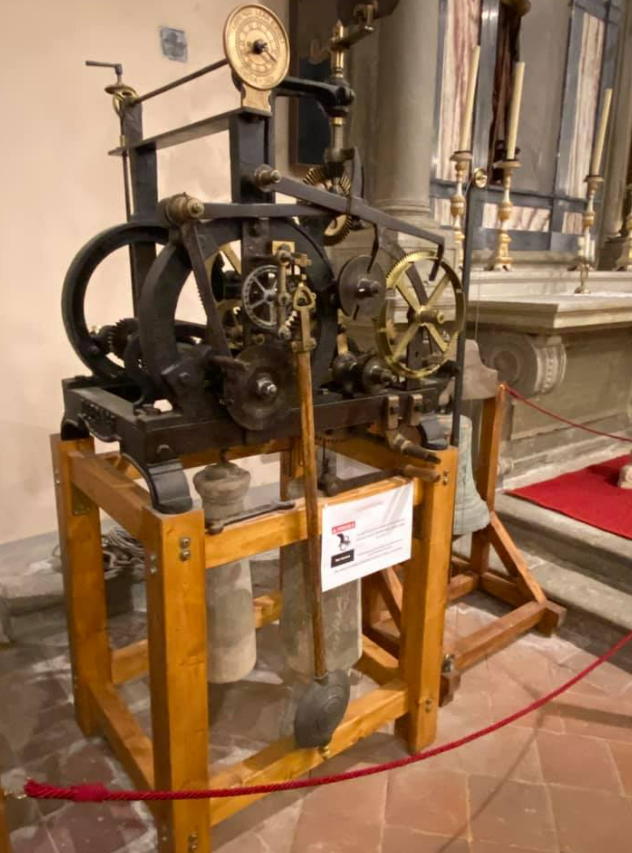
Meccanismo dell’Orologio da torre – 1920 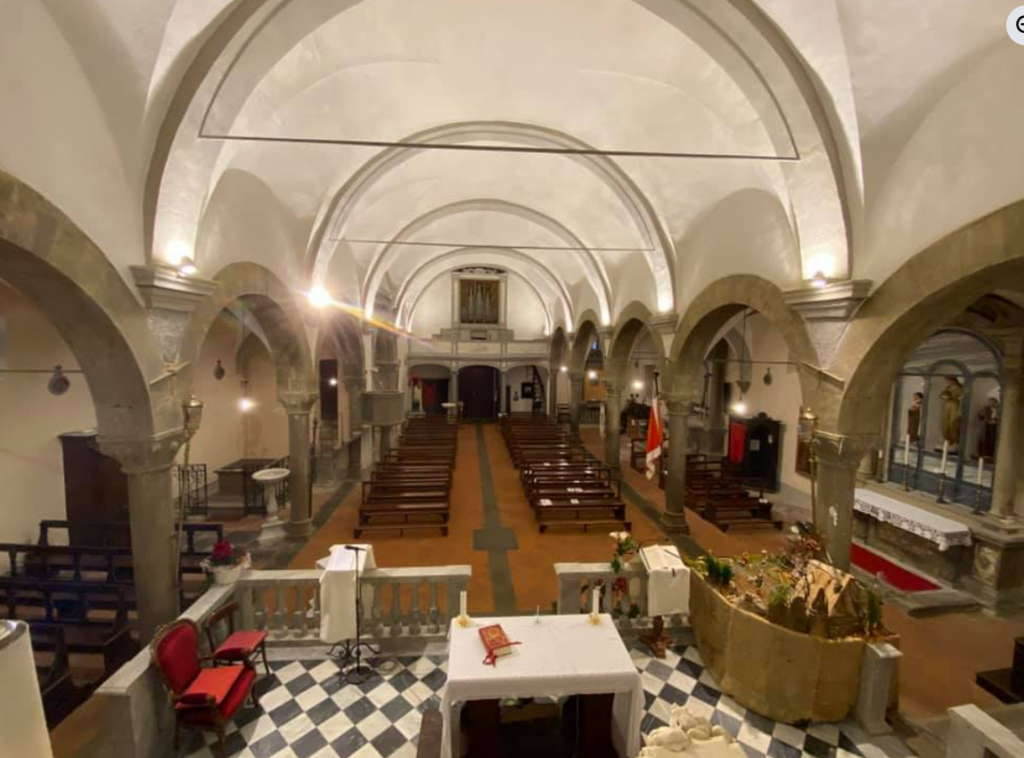
Interno della chiesa 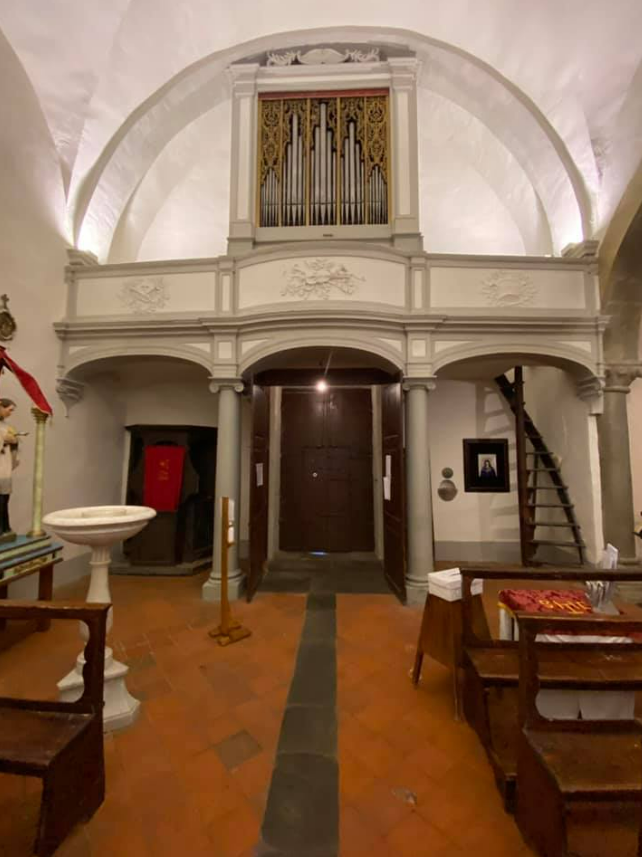
interno della chiesa 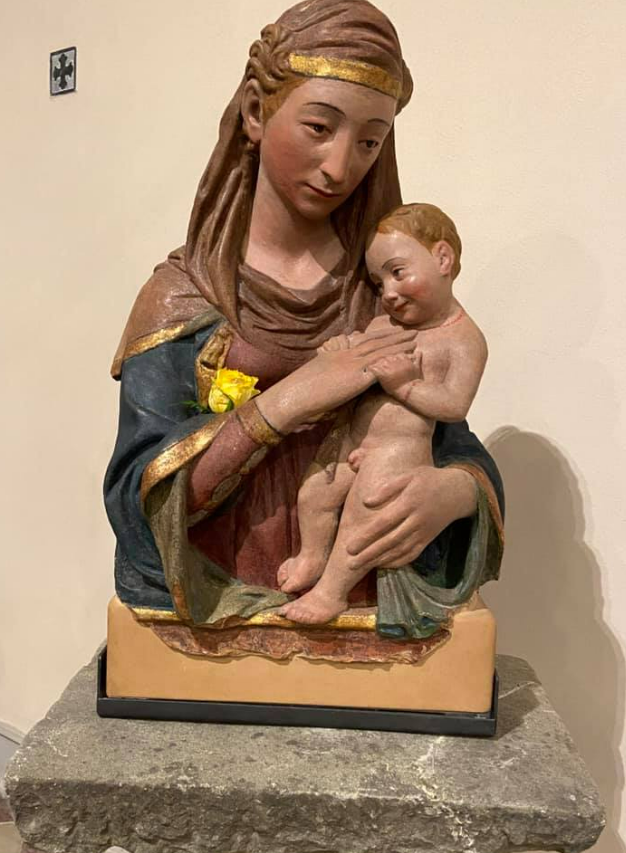
Madonna con Bambino sec XV statua in terracotta 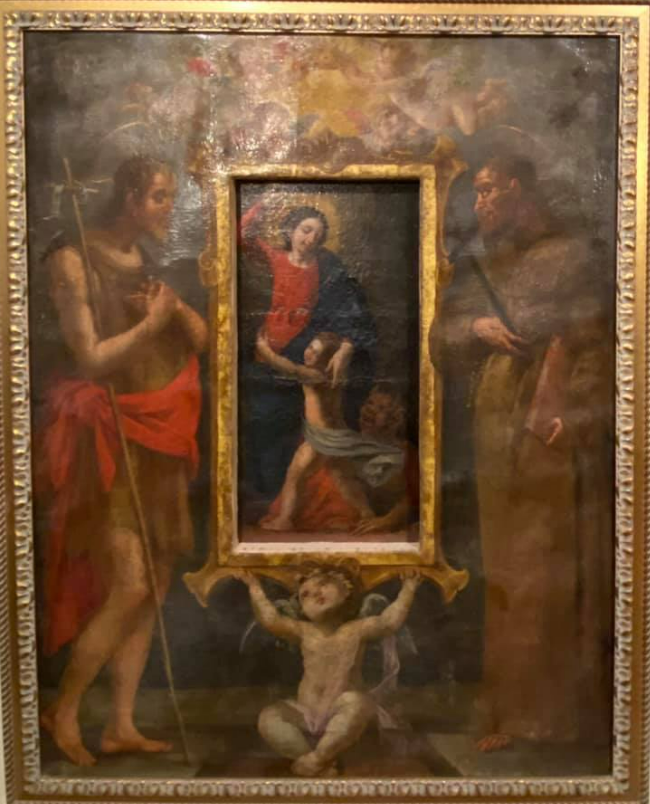
Madonna del Soccorso sec XVI 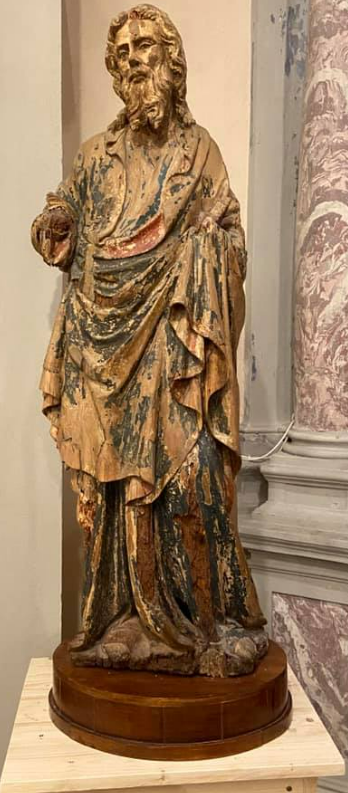
Statua lignea Sant’Andrea – 1400 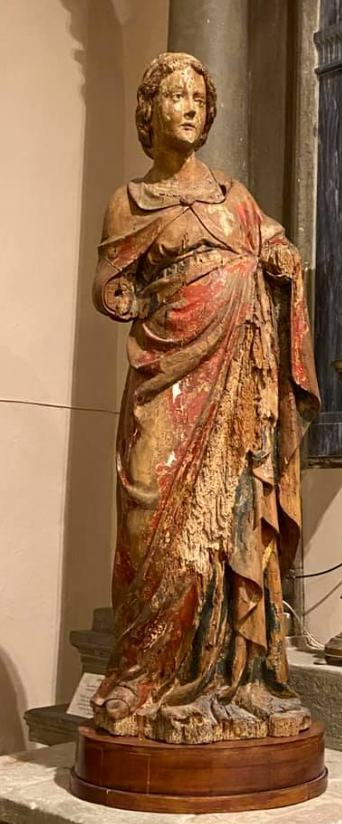
Statua lignea Santa Lucia – 1400 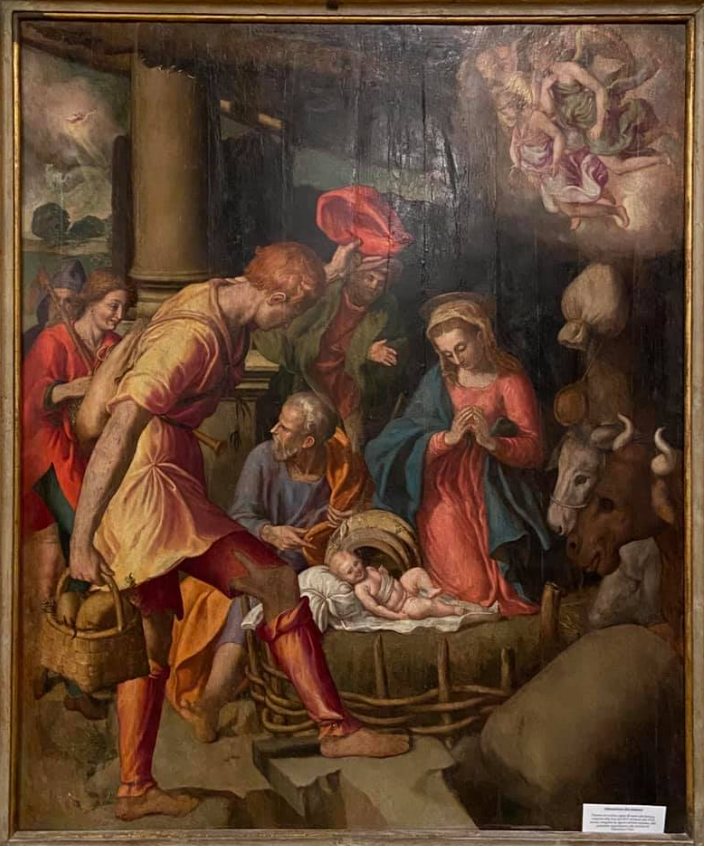
Adorazione dei pastori sec XVI 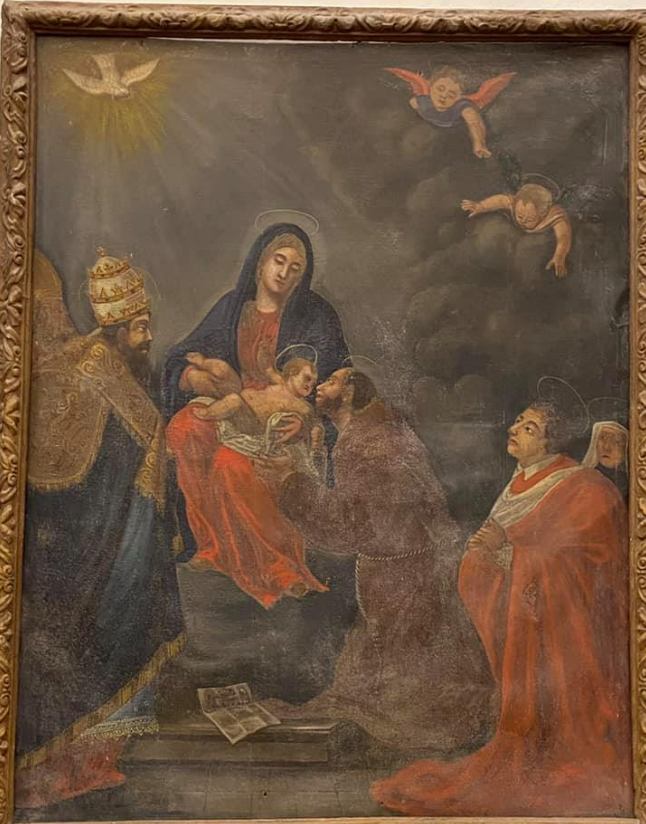
Madonna con Bambino – Pietro Attadini 1861 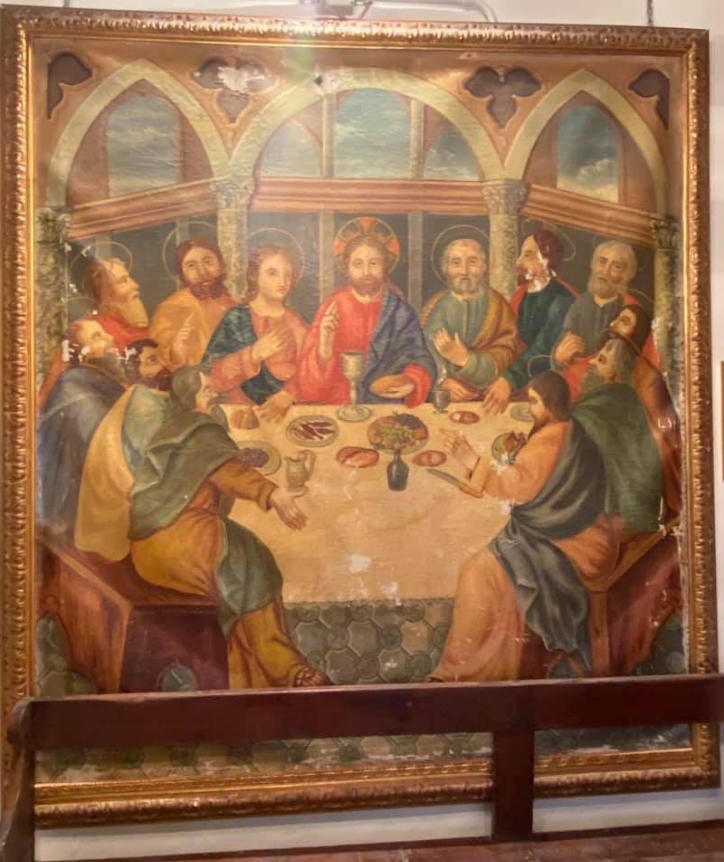
Ultima Cena – 1861