
L’Oratorio di San Domenico a Pescia un gioiello da scoprire
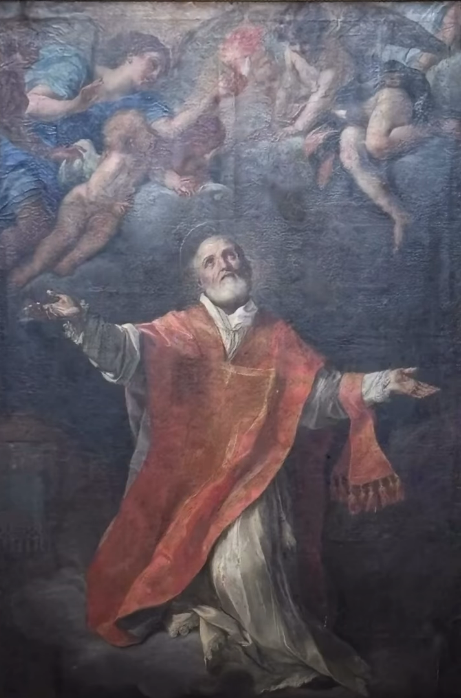
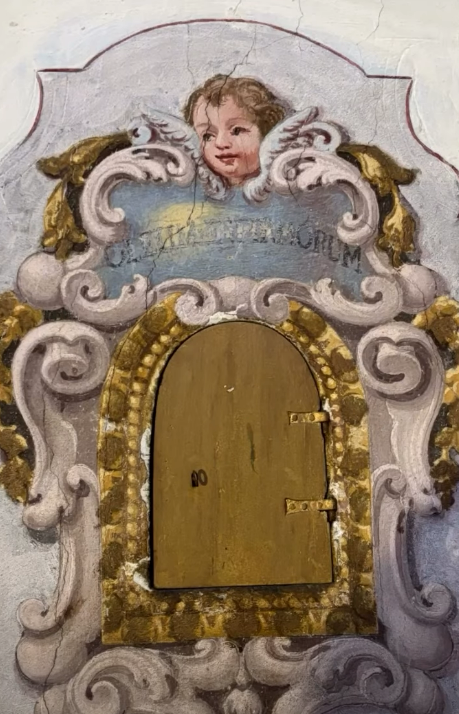
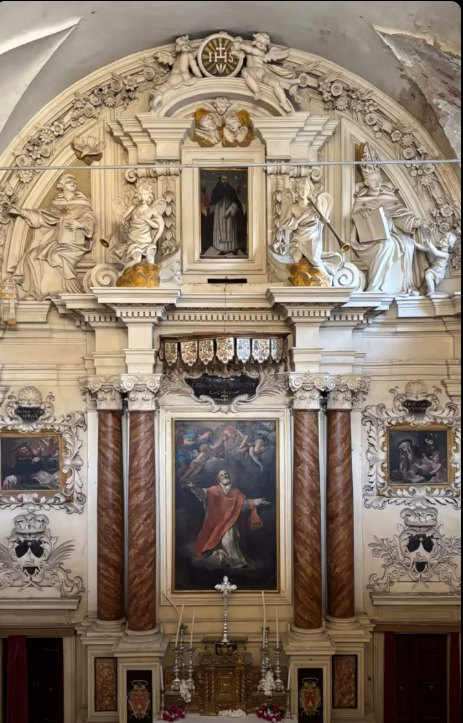
Built in 1673 on the summit of Colle dei Fabbri thanks to the inheritance of Mrs. Isabella Catani and designed by the Pescia-born architect and painter Benedetto Orsi, who left several of his paintings in this church (Saint Peter Martyr, Saint Catherine of Siena, Saint Rose of Viterbo with Madonna and Child). The most important painting is Saint Philip Neri in Ecstasy by Carlo Maratta or Maratti, the leading exponent of Italian painting in the second half of the 17th century. The painting, in which the saint appears to rise into the air as if levitating, is set in the large Baroque wall of the presbytery amidst stucco, marble columns, and other paintings. The stucco, executed by the Pescia-born stucco artist and architect Gian Antonio Tani, depicts angels, bishops, and the emblem of the Dominican order. The wall above the church entrance is, however, sober and simple, with the choir for the nuns. Furthermore, many other eighteenth-century paintings, including a Saint Dominic, are preserved inside.
The Theatine nuns of the convent belonged to the Dominican order, very close to San Filippo Neri.
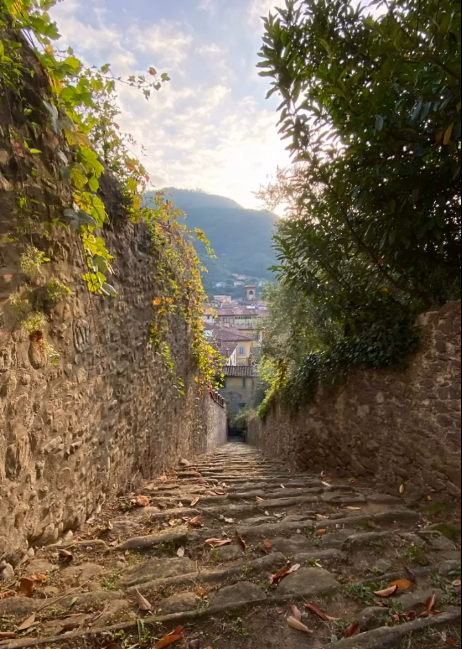
The Holy Stairs, which reach the church, probably predating the construction of the latter, could have a penitential meaning
(cit. Alessandro Birindelli)