

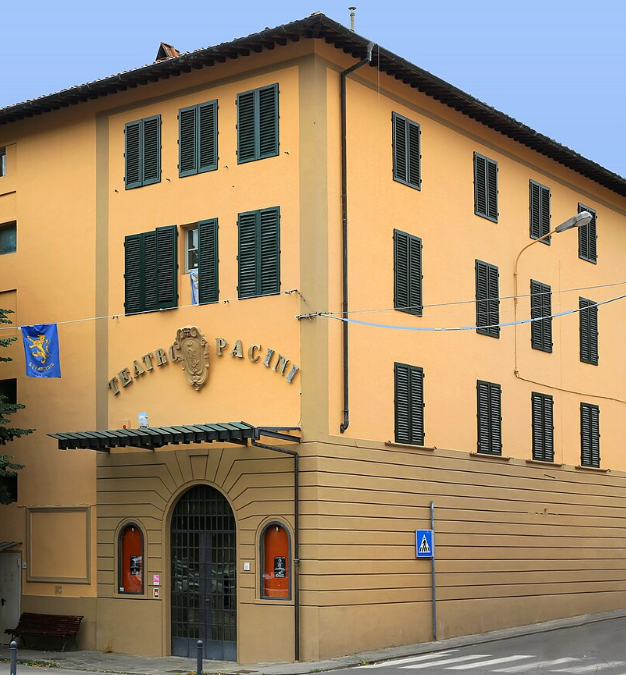
The Teatro Pacini in Pescia is more than just a monumental building, it is the beating heart of cultural life in the Valdinievole. Its history, spanning over two centuries, reflects the social and artistic evolution of a region that has always nurtured a profound love for performance and music.
The Origins and the Golden Age
The theater's roots date back to 1717, when a group of nobles from Pescia founded the Accademia degli Affiliati, a group of private individuals, mostly nobles, driven by a love of opera who joined together in a veritable enterprise, fraught with expense and risk. Initially, performances were held in a temporary wooden structure, but as the city's prestige grew, a permanent theater became necessary. The current building was inaugurated in 1728, but it was only in the 19th century that it took on the appearance and importance we recognize today.
In 1889, the theatre was named after the famous Catanian composer Giovanni Pacini, who had lived in Pescia for a long time and died there in 1867. Pacini, a prominent figure in the 19th-century opera scene, inextricably linked his name to the city, and naming the theatre after him was the greatest tribute the community could offer him.
Architecture and Splendor
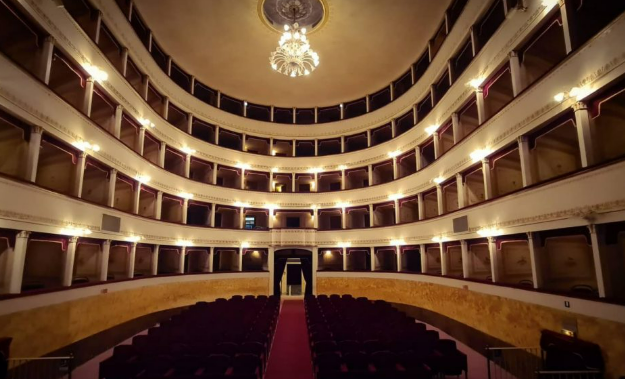
Architecturally, the Pacini is a classic example of an Italian-style theater. Its interior structure features a U-shaped stalls layout and 40 boxes (designed by architect Giovanni Antonio). The decorations are simple yet elegant, typical of the Tuscan neoclassical style, with stucco and frescoes creating an intimate and cozy atmosphere, enhancing the acoustics, long considered among the best in the region.
Decline, Rebirth and Modernity
The twentieth century was a century of light and shadow. After decades of operatic splendor and high-quality drama, the theater underwent a slow decline, aggravated by structural damage and changing audience tastes. For long periods, it remained closed, risking becoming an empty shell.
However, thanks to a series of major restoration projects completed in recent decades, the Pacini has returned to its former splendor. Today, the theater is managed with a modern vision that ranges from classic plays to dance and contemporary music. It has become a key cultural hub, attracting nationally renowned companies and serving as a laboratory for young local talent.
Crossing the threshold of the Pacini Theatre today means immersing yourself in a history of passion and beauty, where every box still seems to whisper the echoes of 19th-century arias and the applause of an audience that has never stopped loving it.